
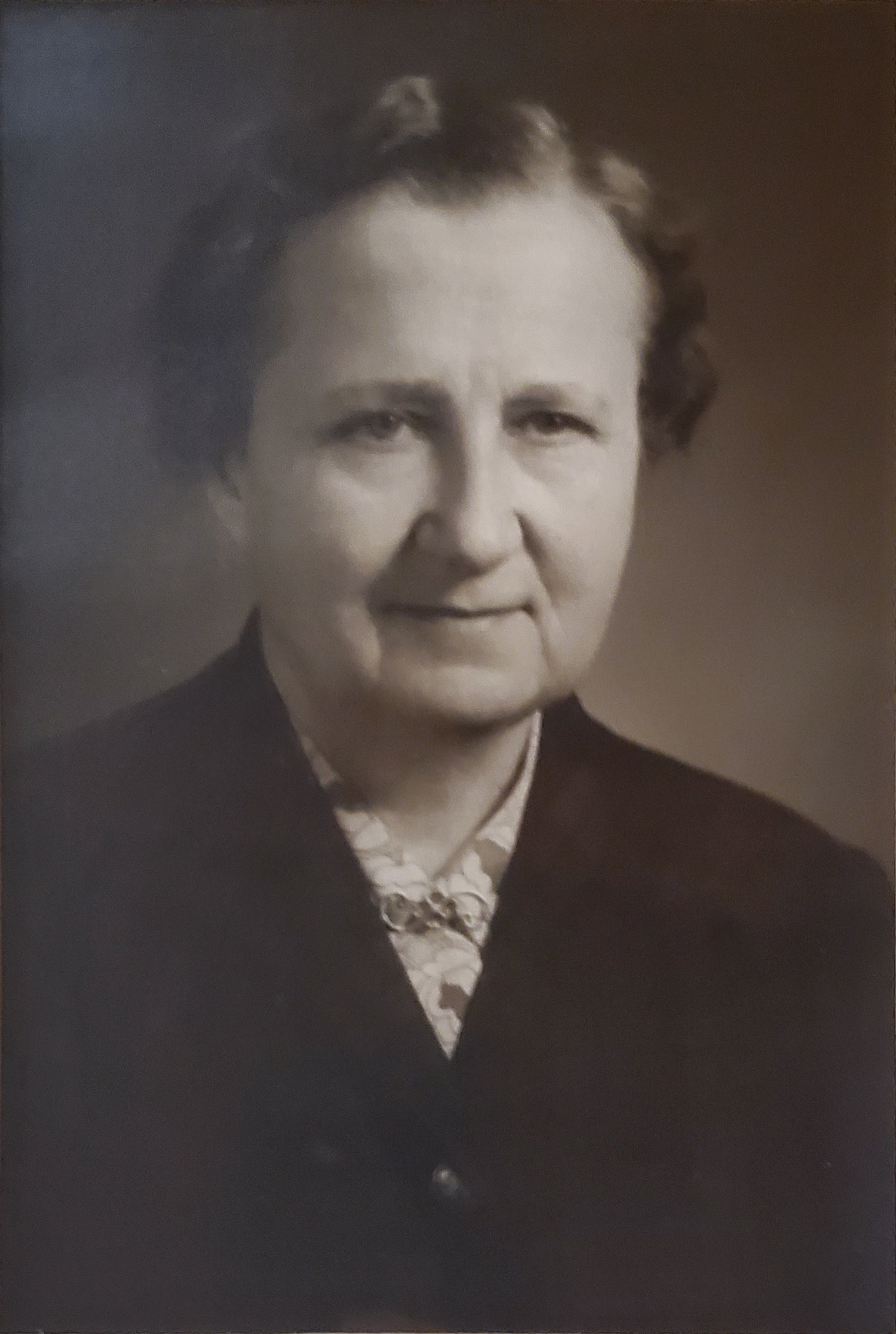
Dr. Katherine H. Borkovich
Women’s Medical Alumnae Association
June 11,1993
Katherine H. Borkovich (1915- ) did her undergraduate studies at Geneva College and graduated from the Johns Hopkins University School of Medicine in 1939.She did her internship on the Osler service and then did a rotating internship which included surgical training at the Pittsburgh Medical Center. She returned to Hopkins for another year as a resident in medicine and then completed a two year fellowship in cardiology with Dr. Helen Taussig. In 1945 she began her long and distinguished career as a physician, teacher and health care leader at Johns Hopkins. Her dedication to superb patient care led her to become a prime mover in the development of peer review action in Maryland. She organized the Maryland Society of Internal Medicine. Her career included a number of "firsts" for women including first woman staff representative of the Medical Board of the Johns Hopkins Hospital, first woman president of the Baltimore City Medical Society and of the Maryland Society of Internal Medicine. She served multiple terms on the Council of The Medical and Chirurgical Faculty of the State of Maryland and was only the second woman named "Distinguished Internist of the Year" by the American Society of Internal Medicine. For over forty years she taught physical diagnosis to all women medical students and in later years to both men and women; they came to know her as both an astute clinician and as a world traveler and adventurer. She has served as a role model for all as a compassionate, dedicated, thoughtful and committed physician.

Dr. Katherine H. Borkovich
Women’s Medical Alumnae Association
June 11,1993
Katherine H. Borkovich (1915- ) did her undergraduate studies at Geneva College and graduated from the Johns Hopkins University School of Medicine in 1939.She did her internship on the Osler service and then did a rotating internship which included surgical training at the Pittsburgh Medical Center. She returned to Hopkins for another year as a resident in medicine and then completed a two year fellowship in cardiology with Dr. Helen Taussig. In 1945 she began her long and distinguished career as a physician, teacher and health care leader at Johns Hopkins. Her dedication to superb patient care led her to become a prime mover in the development of peer review action in Maryland. She organized the Maryland Society of Internal Medicine. Her career included a number of "firsts" for women including first woman staff representative of the Medical Board of the Johns Hopkins Hospital, first woman president of the Baltimore City Medical Society and of the Maryland Society of Internal Medicine. She served multiple terms on the Council of The Medical and Chirurgical Faculty of the State of Maryland and was only the second woman named "Distinguished Internist of the Year" by the American Society of Internal Medicine. For over forty years she taught physical diagnosis to all women medical students and in later years to both men and women; they came to know her as both an astute clinician and as a world traveler and adventurer. She has served as a role model for all as a compassionate, dedicated, thoughtful and committed physician.

Dr. Florence Rena Sabin
Women’s Medical Alumnae Association
June 11,1993
Florence Rena Sabin (1871-1953) graduated from Smith College in 1893 and taught for several years in order to finance her medical education. She graduated from Johns Hopkins in 1896 and became one of the first two female interns at Hopkins Hospital. She then pursued a fellowship in anatomy and became the first woman faculty member at the medical school. In 1917 she became the first woman to become a full professor. She accomplished pioneering work on the development of blood cells and blood and lymphatic vessels. In 1925 she left Hopkins to become the first female full-time member of the faculty of the Rockefeller Institute for Medical Research and further developed her work on cellular immunity. She returned to her native Colorado in 1938 to lead a fight for public health reform. The recipient of numerous academic honors including the 1951Lasker award, she was the first woman elected to a lifetime membership in the National Academy of Sciences and to the presidency of the American Association of Anatomists. Late in her career, a still open and inquisitive mind led her to an interest in psychiatry and psychoanalysis. She was known to her students as a generous person, both with her time, energy, and intellectual resources.

Dr. Helen Brooke Taussig
Women’s Medical Alumnae Association
June 11,1993
Helen Brooke Taussig (1898-1986) graduated from the University of California in 1921 and in spite of discouragement from her family, began her medical education at Boston University. Two years later she transferred to Johns Hopkins and graduated in 1927. She pursued fellowships in medicine, cardiology and pediatrics and in 1930 became physician-in-charge of the Harriet Lane Cardiac Clinic. In spite of a significant hearing deficit, she became a skillful diagnostician of congenital heart disease, relying heavily on her tactile abilities. Her understanding of the physiology of the tetralogy of Fallot led her to suggest to Dr. Alfred Blalock that a surgical approach to improve blood flow to the lung might help these patients. They devised the Blalock-Taussig operation whereby an artificial channel is created between the aorta and the pulmonary artery. This was first performed in 1944, marking the advent of cardiac surgery for congenital and acquired diseases of the heart. In addition, she was instrumental in recognizing the teratological effects of thalidomide and was active in preventing its use in the United States. After retiring from the Harriet Lane Clinic in 1963, she continued to lecture and pursue research on the avian heart. She published a series of papers on key team observations of her patients with the Blalock-Taussing operation. She was the recipient of numerous honors, including the Presidential Medal of Freedom in 1963, the presidency of the American Heart Association and membership in the National Academy of Sciences. Posthumously, she was awarded the Kober Medal by the Association of American Physicians, the highest honor of this group of academic physicians. She was known as a woman of great intellect, insight, humor and warmth.
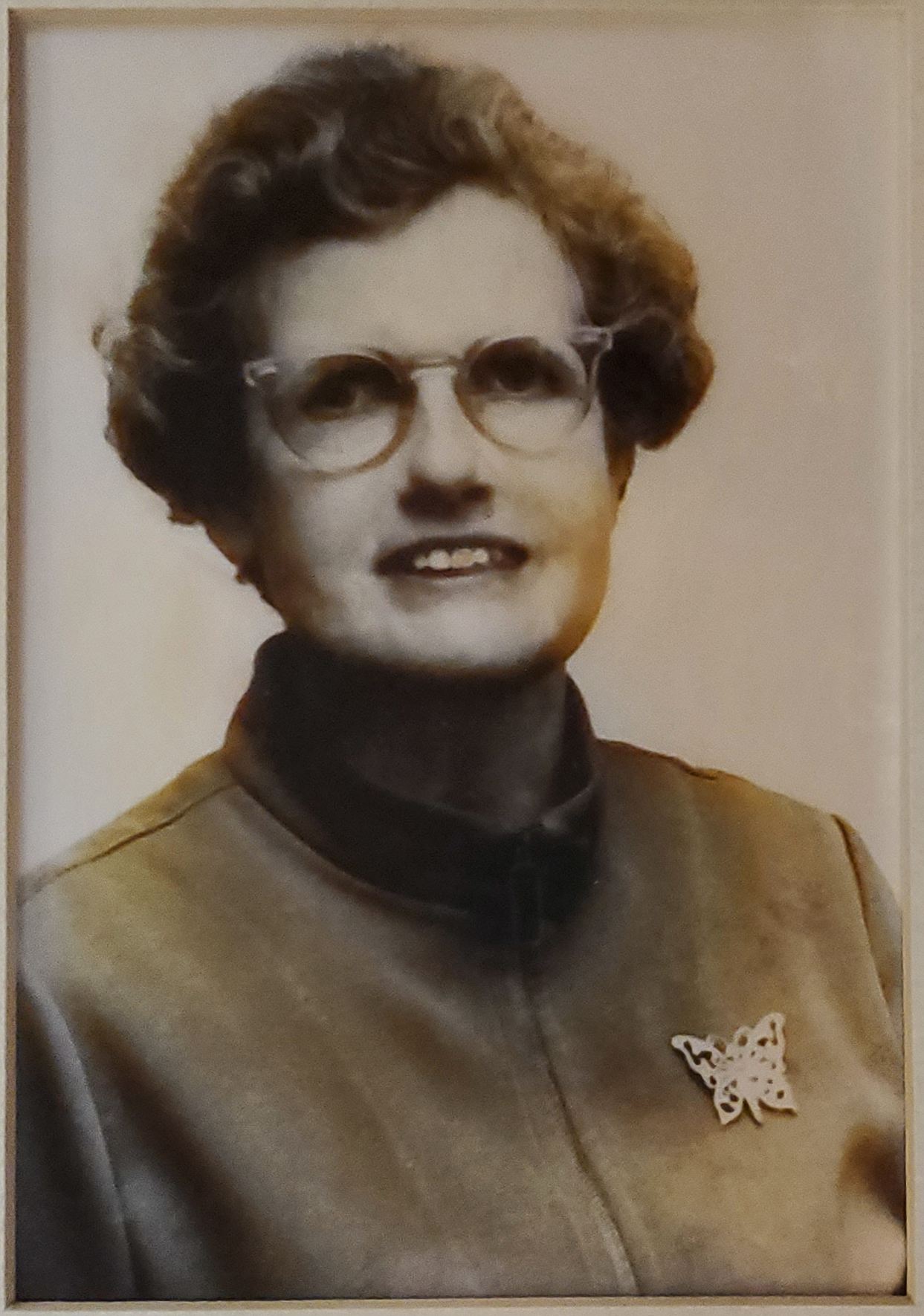
Dr. Caroline Bedell Thomas
Women’s Medical Alumnae Association
June 11,1993
Caroline Bedell Thomas (1904- ) graduated from Smith College in 1925. She briefly pursued graduate study in biology and genetics and then entered medical school at Johns Hopkins, graduating in 1930. She completed a residency on the Osler medical service and subsequently did a fellowship in medicine and neuropathology at Harvard University and a fellowship in physiology at Hopkins in 1934. She then joined the Hopkins faculty where she remained until her retirement as professor in 1970; she continued her active research and writing for another twenty years. One of her earliest accomplishments was the discovery of the value of sulfanilamide in the prevention of rheumatic fever. She held a variety of staff appointments at the Johns Hopkins University School of Medicine and the School of Hygiene and Public Health. This ongoing interest in public health and preventive medicine led to the initiation of her long-term, and still ongoing, study entitled "The Precursors of Essential Hypertension and Coronary Artery Disease", now known as "The Precursors Study." This study of more than 1000 men and women enrolled as Johns Hopkins medical students and then followed throughout their lives, has led to a wealth of understanding about the role of personality and habits of daily life in predicting heart disease, suicide, cancer, and longevity. Her numerous awards include the 1957James D. Bruce Memorial Award in Preventive Medicine of the American College of Physicians and the title of Master of the American College of Physicians. She has also received the Elizabeth Blackwell Citation from The New York Infirmary. Dr. Thomas is recognized here as a valued physician, teacher, scientist, and leader of the fields of Internal and Preventive Medicine.
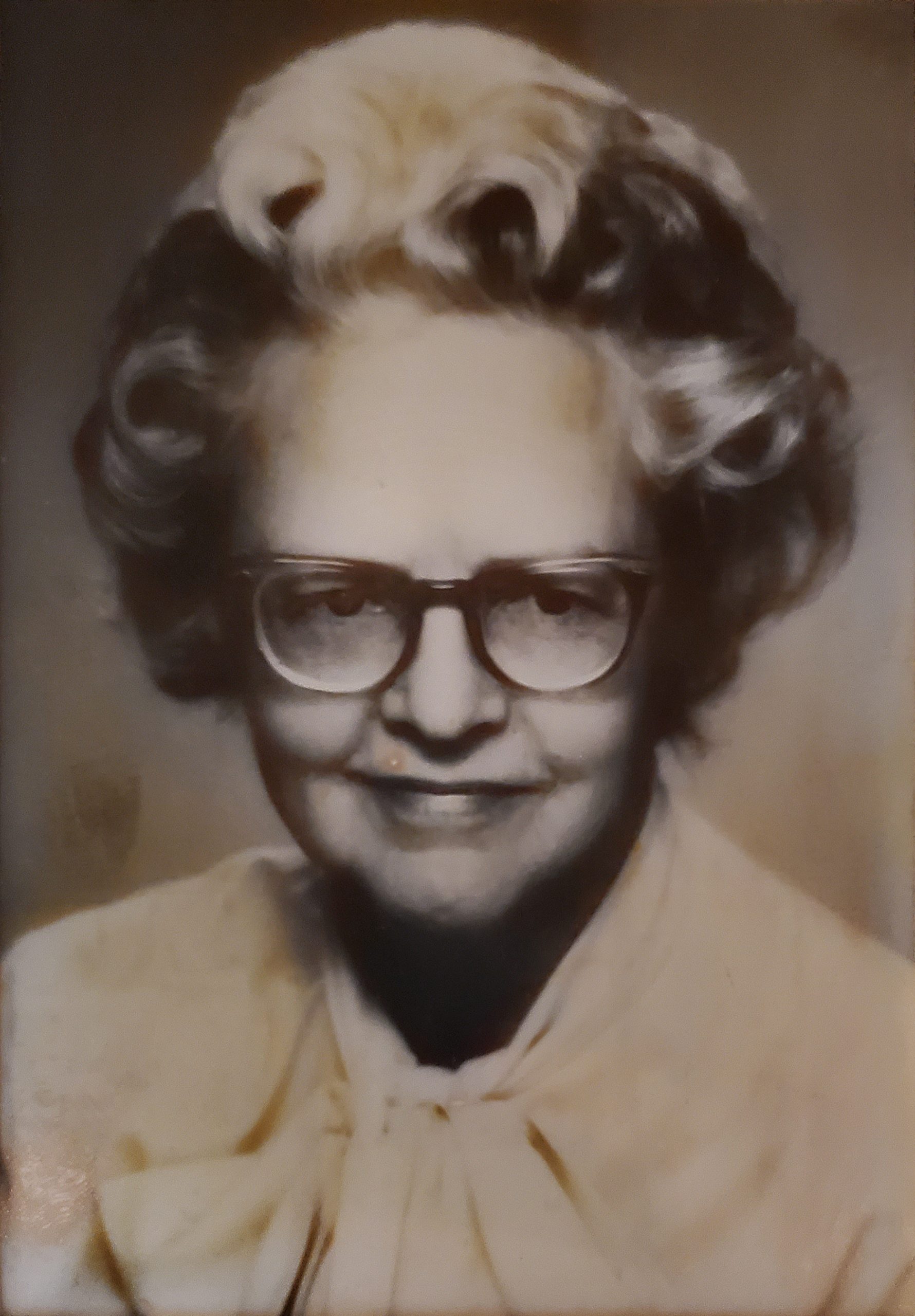
Janet B. Hardy, M.D.C.M.
Women’s Medical Alumnae Association
June 9,1995
Janet B.Hardy graduated from the University of British Columbia in 1937 and completed her medical degree at McGill University in 1941. She trained in pediatrics at Johns Hopkins under Dr.Edwards Park who assigned her to the tuberculosis clinic and appointed her the first pediatrician to the newborn nurseries, pioneering the field of neonatology.Her flexibility, sensitivity, and creativity as an investigator and administrator enabled the Johns Hopkins Child Development Study to have one of the highest rates of follow-up within the Collaborative Perinatal Study and have permitted her to do long-term studies of this population thirty years later. Her search for improved primary care was fulfilled as Director of the Hopkins Adolescent Pregnancy program and particularly in te model she created as Director of the Hopkins Children and Youth Program from 1982-1985.She established modules containing a physician, social worker and health and parent educator, delivering more imaginative and appropriate care within the community. As a Professor of Pediatrics and Public Health Administration (1975), Dr. Hardy is known for her questioning approach, and has been dedicated to uncovering the sources of morbidity within childhood. These are reflected in publications dealing with birth defects (particularly rubella), prematurity, child development, and most recently adolescent sexuality and pregnancy. Her commitment has extended far beyond our local community with involvement in the Johns HHopkins Program in International Education in Gynecology and Obstetrics and to participation in the restructuring of the program at Boys Town in Nebraska. She has been the recipient of numerous NIH and other grants. She became Professor Emeritus in 1985, but has continued many of her research interests. Dr. Hardy is recognized here as a pioneer within the fields of neonatology, pediatricpublic health and adolescent pregnancy. She is a model of a tenacious clinical scholar, seeking to promote a better life for all children.

Dr. Mary Betty Stevens
Women’s Medical Alumnae Association
June 9,1995
Mary Betty Stevens (1929-1994) graduated from Vassar College in 1948. She was named to Phi Beta Kappa and Alpha Omega Alpha before graduating from Johns Hopkins (1955).She did her housestaff training on Osler, joined the faculty in 1960, and spend the duration of her career at Hopkins. Her research advanced our understanding of systemic lupus, vasculitis, and other rheumatic diseases. She pioneered collaborative/multidisciplinary medicine when she established the internationally renowned Rheumatic Disease Unit/Arthritis Center at the Good Samaritan Hospital in 1975. That same year she was appointed the chair of the Division of Rheumatology, the first woman division chief in the Department of Medicine. She was instrumental in establishing the Maryland Lupus Foundation in 1977.She was named Professor of Medicine in 1985. Her numerous awards and honors include the Professor's Award and the House Staff Council Award for excellence in clinical teaching (1971),the Theodore Woodward Award of the American College of Physicians (Maryland) for Medical Research and Education (1992), Master of the American College of Physicians (1994), Master of the American College of Rheumatology (1994), and Distinguished Medical Alumna of the Johns Hopkins Medical and Surgical Association (1995). She was a superb clinician and teacher. She particularly cherished the George J. Stuart Award (1971) for excellence in clinical teaching. She radiated enthusiasm about teaching, patient care, and research, inspiring those around her to excel. She was the ultimate role model and mentor. Shortly before Dr. Stevens died, Dr. Bevra Hahn wrote: "You are the best physician I have ever known. You are the best teacher I have ever had…Your legacy is immeasurable…. And then, there is you-a magnificent human being-a joyful, enriching part of so many of our lives."
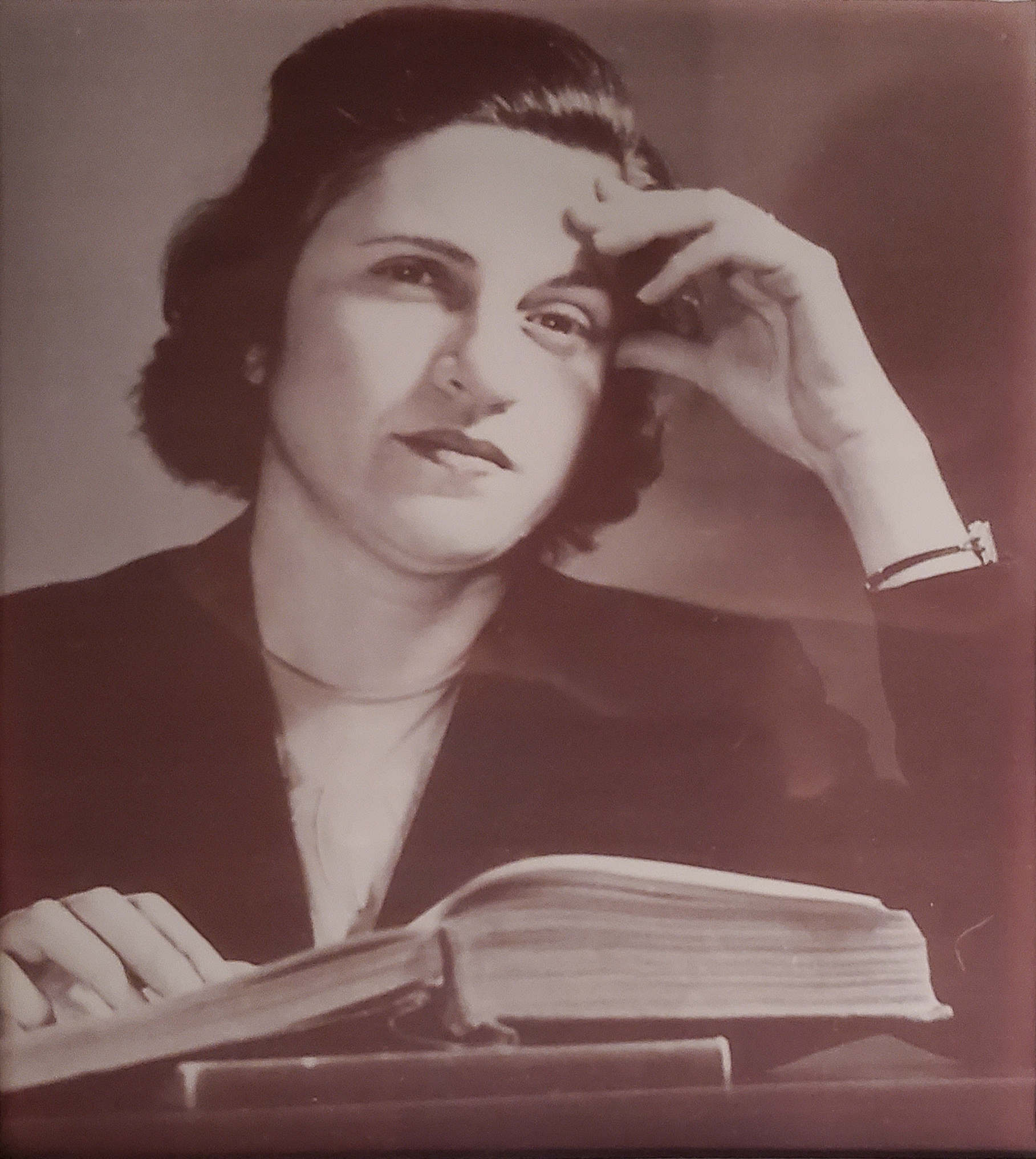
Dr. Helen Coplan Harrison
Women’s Medical Alumnae Association
June 6, 1997
Helen Coplan Harrison (1911- ) received her undergraduate training an Goucher Collage (1931) and a masters degree from Smith College (1934) where she was persuaded by her mentor ap pursue a doctorate at Yale in the widely recognized physiological chemistry department (Ph.D.1939). There she met and married Dr. Harold Harrison who was finishing his training in pediatrics. They became a world renowned team which would work together for 42 years making important scientific contributions leading to a better understanding and treatment of many childhood diseases, particularly those relating to calcium and phosphate. Together, they published more than 60 papers and a book "Disorders of Calcium and Phosphate Metabolism in Childhood and Adolescence". The Harrisons came to Baltimore in 1945 chiefly through the relentless efforts of Dr. Edwards A. Park. Harold joined the Hopkins faculty and became the first full-time chief of a clinical department at Baltimore City Hospitals Two years later Helen opened their joint research laboratory at The Harriet Lame Home. Helen has been honored with her husband by the 1942 E. Mead Johnson Award of the American Academy of Pediatrics and by the much coveted Howland Award, regarded as the most prestigious award in American pediatrics (1983). This was the only time this award was made jointly recognizing that the "team of Harrison and Harrison has never been considered separately. "In their honor, an international symposium was arranged, producing a monograph entitled, "Pediatric Discases Related to Calcium(1980)". Helen has also been recognized for her extensive community work in arts and education with the Goucher College Award for Excellence in Public Service(1962)and most recently with an honorary Doctor of Science from Goucher College (I9h) This remarkable partnership provided a nurturing environment in the home for their two sons, professors at Harvard and Cornell, and for the countless house officers, researchers and patients who were touched by their warmth, approachability and unceasing search for knowledge. Dr Helen Hamson is recognized today as an outstanding model of the researcher who provides the theoretical background and laboratory skills that, in collaboration with the clinician, lead to remarkable advances in medicine
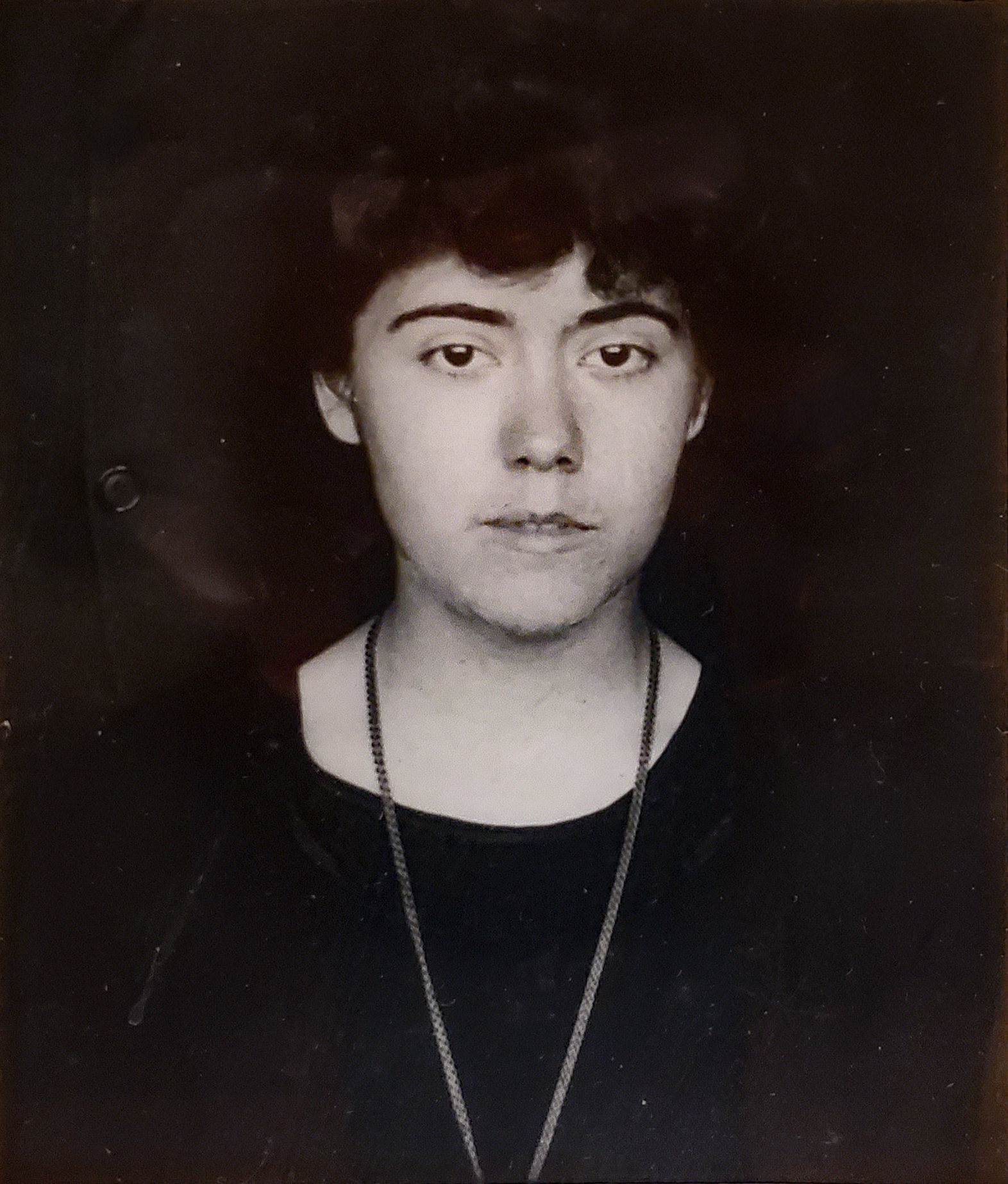
Dr. Mary Louise Small
Women’s Medical Alumnae Association
June 6,1997
Mary Louise Small (1895-1996) was born in Chicago and received her bachelor's degree from the University of Tennessee. She was accepted by Hopkins after completing additional pre-requisite courses and graduated in 1925. She then joined the staff of the old Baltimore Eye, Ear and Throat Charity Hospital, one of the oldest eye hospitals in the country, eventually becoming its president during the 1940's. Although a woman of small stature, she overcame this by adaptations in the operating room and by her meticulous technique. A colleague conveyed her skill by suggesting that she would "sew up the holes that the needle made." She was highly admired as a practitioner in Baltimore, and was one of the few women to enter ophthalmology at the time. Specializing in corneal transplants during a period when the technique was not very successful and when few even attempted it, Dr. Small was a pioneer in advancing this surgery. She was committed to teaching and to improving the scientific basis of ophthalmology. She published a number of papers, but was particularly interested in macular degeneration and eye disease of the elderly. She was elected a fellow of the American College of Surgeons in 1933. Upon retiring at age 77, Dr. Small was named a fellow in eye pathology at the Wilmer Ophthalmological Institute (1972). Dr. Mary Louise Small is honored today as an example of a woman who was determined to be a surgeon and who, without sacrificing her dignity or femininity, had the tenacity, the dedication to excellence and the skill to succeed.

Dr. Mette Strand
Women’s Medical Alumnae Association
June 10, 1999
Mette Strand (1937-1997) was born in Kolding, Denmark and received her doctorate in biochemistry from the University of Copenhagen in 1976. She began her professional activities in the United States in 1964 at Berkeley. Her scientific association with Thomas August began in 1970 at Albert Einstein College of Medicine and continued at Hopkins in 1977. Their work provided fundamental insight into the biology and reproduction of RNA tumor viruses. After joining the Hopkins faculty, where she rose to the rank of Professor in 1990, she developed an intense interest in immunology. She was, in fact, the first to bring monoclonal antibody technology to Hopkins, and demonstrated that radioactive metal chelates conjugated to monoclonal tumor antibodies could be used both for tumor imaging and therapy. But her most enduring contributions were to understanding the antigenic determinants of schistosomes, a debilitating parasite that affects more than 200 million people. This dedication to a disease of the third world may reflect her Danish heritage and its commitment to world health, as well as the example set by her father who had been active in the resistance during World War II. By studying the responses made by the infected host immune system, Dr. Strand developed the monoclonal antibodies used in the identification of paramyosin, a major schistosome vaccine candidate in the WHO-sponsored trial which was the culmination of many years of her devoted scientific effort. She was regarded as the world expert on the immunology of these parasites. Her body of work, her virtuosity as an experimentalist, and her talent for organization and bringing the best out of people led her to advisory boards of the National Cancer Institute, the National Institutes of Health, the U.S. Agency for International Development and to the chair of the WHO Steering Committee of the Scientific Working Group on Schistosomiasis. She was elected a Fellow of the American Association for the Advancement of Science. As the Director of the Pharmacology Graduate Training Program for the last fourteen years of her life, she will always be remembered for her dedication to the training of students whom she nurtured as her own family. Dr. Mette Strand is honored today for her devotion to critical thinking in her own work and in her students, for her humanitarian and scientific work, and for the graciousness with which she did it.

Dr. Carol Johnson Johns
Women’s Medical Alumnae Association
June 11, 1999
Carol Johnson Johns (1923- ) was born in Baltimore, but grew up in Pennsylvania. She was an undergraduate at Wellesley College and was named to Phi Beta Kappa. She was elected to Alpha Omega Alpha before graduating from Johns Hopkins in 1950. Dr. Johns did her housestaff training on Osler, her Fellowship in the Respiratory Division, and joined the faculty thereafter. She has been affiliated with Johns Hopkins throughout her professional career and has been Associate Professor of Medicine since 1971.During her training she became interested in sarcoidosis. Her studies and treatment of patients with sarcoidosis advanced our understanding of the process, and made her a world authority on the,disease.During her years at Hopkins, she served as Director of the Medical Clinics and the Sarcoidosis Clinic. Her commitment to education was evidenced by her tenure as Director and Assistant Dean of Continuing Education for the JHU School of Medicine. In 1974 she won the National Board Award of the Medical College of Pennsylvania as its Medical Woman of the Year. She has fostered the professional development of women in her role as Director of the Stetler Research Fund for Women Physicians. In 1979, she was named acting president of Wellesley College. Since 1985, she has been a Regent, and since 1989 has served as Vice Chairman of the Board of Regents of the Uniformed Services University of Health Sciences.She was the first woman member in the 105 year history of the American Clinical and Climatological Association,and became its first woman president in 1994. Her Presidential Address ("Herstory") shared her personal and professional experiences, along with the results of her survey of more than three hundred women colleagues.She was also honored by the Maryland Chapter of the American College of Physicians with the Mary Betty Stevens Clinical Research Award. Dr. Johns is married to Dr. Richard Johns,Distinguished Service Professor in Biomedical Engineering and former Chairman of that department. While her three sons were young, Dr. Johns worked part-time,but remained active at Hopkins, on the Wellesley College Board of Trustees, and in her church. We honor Dr. Carol Johnson Johns today for her administrative achievements, her excellence as a teacher and counselor to medical students and housestaff,and her clinical studies in sarcoidosis.

Dr. Mary Ellen Avery
Women’s Medical Alumnae Association
June 8,2001
Mary Ellen Avery (1927- ) was born in Camden, New Jersey, received a bachelor's degree from Wheaton College, and graduated from the Johns Hopkins University School of Medicine in 1952. Her training was delayed as she recovered from a mild case of tuberculosis, a factor that contributed to her life-long study of respiratory physiology. She completed her pediatrics at Hopkins, spent two years in the laboratory at Harvard, returning to Hopkins in 1959. Remarkably important research findings came that year, when she published her initial paper describing the role of surfactant in hyaline membrane disease. Dr. Turner's letter nominating her as a John and Mary Markle Scholar in Medical Science described her most outstanding trait, "drive and energy appropriately channeled to satisfy an intense curiosity." She was the first woman named a Markle Scholar (1961-1966), and recognized that this award allowed her the freedom to establish a remarkable investigative career. In this period, as the director of the newborn nurseries, she also became known as an outstanding teacher, able to transform complex material into comprehensible models. She assumed the Chair of Pediatrics at McGill and was Physician-in-Chief at the Montreal Children's Hospital (1969-1974). She was the first woman to chair a major department at the Harvard Medical School (1974-1985) as the Thomas Morgan Rotch Distinguished Professor of Pediatrics where she was also Physician-in Chief of Boston Children's Hospital Medical Center. In addition to numerous honorary degrees and awards, she received the National Medal of Science (1991) and was elected to the National Academy of Sciences (1994). She is a perfectionist and a person who has enjoyed writing (an opportunity to take ownership of her work). Her drive and energy persist, as she moves beyond the strict confines of neonatal medicine to political and societal issues that involve birth control and the importance of maternal health and well-being. She is a "baby doctor". We celebrate her ability to see important issues and questions, to engage and understand them with carefully focused energy, and to bring solutions forward with much warmth and sensitivity.

Dr. Ella H. Oppenheimer
Women’s Medical Alumnae Association
June 8,2001
Ella H. Oppenheimer (1897-1981) was born in Baltimore, graduated from Goucher College, studied at the Johns Hopkins School of Hygiene and Public Health, and then transferred those credits to the Medical School from which she graduated in 1924. She initially trained in pathology, briefly pursued training in pediatrics, then returned to pathology and her mentor, Dr. William MacCallum. One of her earliest contributions to the department, and to its mission of teaching and research, was the organization of the diagnostic index of the autopsy files. These gifts of observation, systematization and perseverance were reflected in her extensive research, in her ability to analyze difficult cases, in her teaching, and even in one of her most enduring hobbies-collecting, cataloging, and exhibiting shells from around the world. Her varied research interests are reflected in over 80 publications, more than half of them written after her official retirement in 1963. She particularly contributed to the understanding of the extensive pathology of cystic fibrosis, especially pancreatic involvement. She was a superb teacher. She recognized what was significant, knew how to convey it with enthusiasm, and expected her students to learn it. She was the first woman to serve as President of the Pediatric Pathology Club, a national organization of leaders in the field, and she was honored with an honorary doctor of science from Goucher in 1973.Dr. Oppenheimer was an independent woman, a trait that her remarkable husband, Henry Miller, admired and nurtured. She led many lives: clinician, teacher, researcher, wife of a committed philanthropist, mother of a son and daughter, grandmother, enthusiastic friend, collector, artist. She was an organized, disciplined woman, always engaged and vigorous. She vacationed with her family the week before she died; she was at work on the day she died. We honor her today as a woman who through her grace, perspective, and dedication achieved a remarkable and sustaining sense of joy and youth.

Dr. Brigid G. Leventhal
Women’s Medical Alumnae Association
May 2,2003
Brigid Gray Leventhal (1935-1994) was bom in London, and came to the United States with her mother and younger brother in 1940, at the height of the World War II London blitz. She studied psychology at the University of California Los Angeles, graduated summa cum laude and Phi Beta Kappa in 1955. Beginning her medical studies at UCLA, she transferred to Harvard University Medical School and received her M.D. in 1960.She completed her internship and pediatric residency at Massachusetts General Hospital, then an additional year of residency at Boston City Hospital. After a one-year hematology fellowship at St. Elizabeth's Hospital in Boston, Dr. Leventhal came to Maryland in 1964 to work at the National Cancer Institute. She headed the Chemoimmunotherapy Section from 1973 until 1976, when she became the first Director of the Pediatric Oncology Division at the Johns Hopkins Oncology Center. She was instrumental in establishing the Pediatric Oncology outpatient clinic and inpatient unit at Hopkins. Her career was devoted to the pursuit of new and better ways to treat childhood cancers. She was genuinely concerned about the long-term effects the disease would have on young lives. She is renowned for her studies of survivors of childhood leukemia – their emotional development, physical and reproductive maturity, and the side effects they suffer from their disease and their treatments.Dr. Leventhal's own experiences as a mother of four gave her an important perspective, and she was always sensitive to concerns of the parents of her patients. Her program was designed to keep children out of the hospital as much as possible, so they might continue normal life. She was a founding member of the Pediatric Oncology Group, a multi-institu-tional group that participates in clinical trials, and chaired its Hodgkin's disease committee.In 1974 she received the government's prestigious Federal Women's Award for her pioneering research in immunotherapy for cancer and for planning treatment programs that substantially improved the prognosis of leukemia patients. Her numerous awards and honors include the Outstanding Young Career Woman in Medicine from the National Council of Women, the Outstanding Professional Achievement Award of the UCLA Alumni Association, and the Clinical Scientist Award of the Maryland division of the American Cancer Society.She was a splendid clinician and teacher, who made a special effort to share her knowledge with young clinicians and researchers. Her contributions will have a lasting effect on the field of Oncology, and on the many lives she touched.

Dr. Catherine A. Neill
Women’s Medical Alumnae Association
May 2,2003
Catherine Annie Neill (1921- ) was born in London, England. She obtained her degrees (M.B., B.S.,D.C.H., M.D.) at London University with postgraduate degrees in pediatrics and internal medicine and became a member of the Royal College of Physicians (London) in 1947.After hearing Drs, Taussig and Blalock discuss their work, she sensed the thrill and joined a stellar group of fellows in 1951, beginning a career at Hopkins that has spanned five decades. As a research fellow in cardiology and embryology at the Carnegie Institute she studied the development of the pulmonary veins. Her meticulous attention to detail established her expertise on this subject. For over forty years she nurtured the emerging specialty of pediatric cardiology, rejoicing in the advances that helped children and their families. She became Professor of Pediatrics. Dr. Neill's research and scholarship are evident in the wide array of her publications. They span the breadth of cardiology: basic embryology and physiology, diagnostic techniques, surgery and its outcomes, the genetics, etiology and impact of congenital heart defects. She has also shown a vision for partnerships with medical and non-medical colleagues: in her work with the American Heart Association advocating for knowledge and social reform, and in her ongoing involvement with the Alan M. Chesney Medical Archives. She collaborated in the pioneering Baltimore Washington Infant Study Group led by Dr. Charlotte Ferencz. Her humility, grace, and the gentle use of her medical knowledge have empowered her. Dr. Neill is a devoted teacher, helping her students to engage in an analytic approach to the patient's problems. This was recognized by naming one of the two Harriet Lane housestaff teams in her honor. She was known for her thoroughness, compassion, and eagerness to share her clinical skills. She is a model of the clinician teacher, a benchmark for other faculty. Although deprived of the immediacy of her family in England, Dr. Neil created a larger community through her impact as a mentor to students, residents, fellows and associates. Carleen and Ed Clark, her co-authors of The Heart of a Child, aptly described this process as, "colleagues become friends become family. "We honor Dr. Catherine A. Neill today for her gifts as a pioneering intellect and researcher in pediatric cardiology, for her total commitment as a teacher and clinician, and for her unstinting dedication to gently bringing people and worlds together.

Dr. Georgeanna Seegar Jones
Women’s Medical Alumnae Association
June 3,2005
Georgeanna Seegar Jones (1912-2005) was the daughter of a Baltimore obstetrician.She graduated from Goucher College and could not be dissuaded from studying medicine.She eamed her M.D.from Johns Hopkins (1936). In 1939 she became the first gynecological endocrinologist on a medical school faculty in the U.S. and continued as gynecologist-in-charge of the Gynecologic Endocrine Unit at Hopkins until she retired. Her marriage to Dr. Howard W. Jones, Jr. followed in 1940, as did their inseparable partnership.She was recognized as the clinician scientist, he as the surgeon scientist. The Drs. Jones built very close personal relationships with their numerous trainees, but weekends were spent with their three children on the sailboat. She was an integral part of the foundations of reproductive endocrinology. Her remarkable research career began in the 1940s when she established that human chorionic gonadotropin was produced by the placenta and not by the pituitary gland. She was the first to introduce cyclic progesterone therapy for the management of anovulatory dysfunctional uterine bleeding and the first to describe the luteal phase defect. The author of more than 350 scientific articles and the co-author of five textbooks of gynecology, she was the fourth woman to become a full professor at Hopkins (1972). Their retirement from Hopkins in 1978 took them to the forefront of in vitro fertilization at the Vital Initiation of Pregnancy program, part of the Jones Institute of Reproductive Medicine at Eastern Virginia Medical School, a logical progression in their work to ease the pain of infertility. In dealing with the cntroversy that surrounded them when the first “test tube" baby in the United States was born under their care, Dr. Jones explained her philosophy. "I think that one can reproduce without love, but one should never reproduce without love. And certainly couples who come to us are ideal as far as love;they've come the last mile. One certainly can reproduce without intercourse and if that is with love, to me that's permissible." This gentle explanation illuminates the life of Dr.Georgeanna whom we honor for her intellect, judgment, perseverance, and ability to make complex science, medicine and ethical issues easier to understand.

Dr.Bernadine Healy
Women’s Medical Alumnae Association
June 3,2005
Bernadine Healy (1944 – ) graduated summa cum laude fromVassar College, earned her M.D.degree at Harvard Medical School (1970), completed housestaff training on Osler and cardiology fellowship at Johns Hopkins. Dr. Healy spent two years at the National Heart,Lung and Blood Institute at the National Institutes of Health before returning to Johns Hopkins in 1976, where she became Professor of Medicine and Director of the Coronary Care Unit. She was a skilled cardiovascular researcher with particular interest in the pathology of myocardial infarction. She became the first woman to serve the Johns Hopkins School of Medicine as Assistant Dean for Postdoctoral Programs and Faculty Development.Dr.Healy's 1984 appointment as Deputy Director of the Office of Science and Technology Policy at the White House involved her in life science and regulatory issues at the Federal level She served as Chair of the White House Cabinet Working Group on Biotechnology.As Chair of the Research Institute at the Cleveland Clinic Foundation (1985), she directed the research programs of nine departments. In 1991, Dr. Healy became the first woman to direct the National Institutes of Health. Under her leadership, the NIH embarked on its first strategic planning process, and undertook a number of programs, including the Women's Health Initiative, a long-term study involving 150,000 women. She served as Dean of Ohio State University College of Medicine and Public Health from 1995-1999. As President and Chief Executive Officer of the American Red Cross (1999-2001), Dr. Healy led the American Red Cross response to the terrorist attacks of September 11, 2001. Dr. Healy is Medical and Health Columnist for US News and World Report, and serves on the President's Council of Advisors on Science and Technology. Other accomplishments: President of the American Federation of Clinical Research, President of the American Heart Association (initiated Women & Minorities Leadership Task Force and Women & Heart Disease program), election to the Institute of Medicine of the National Academy of Sciences, Master of the American College of Physicians. Dr. Healy is honored today in recognition of her achievements in cardiovascular research, administration at the University and Federal levels, and innovative policymaking, particularly in addressing medical policy and research pertaining to women.
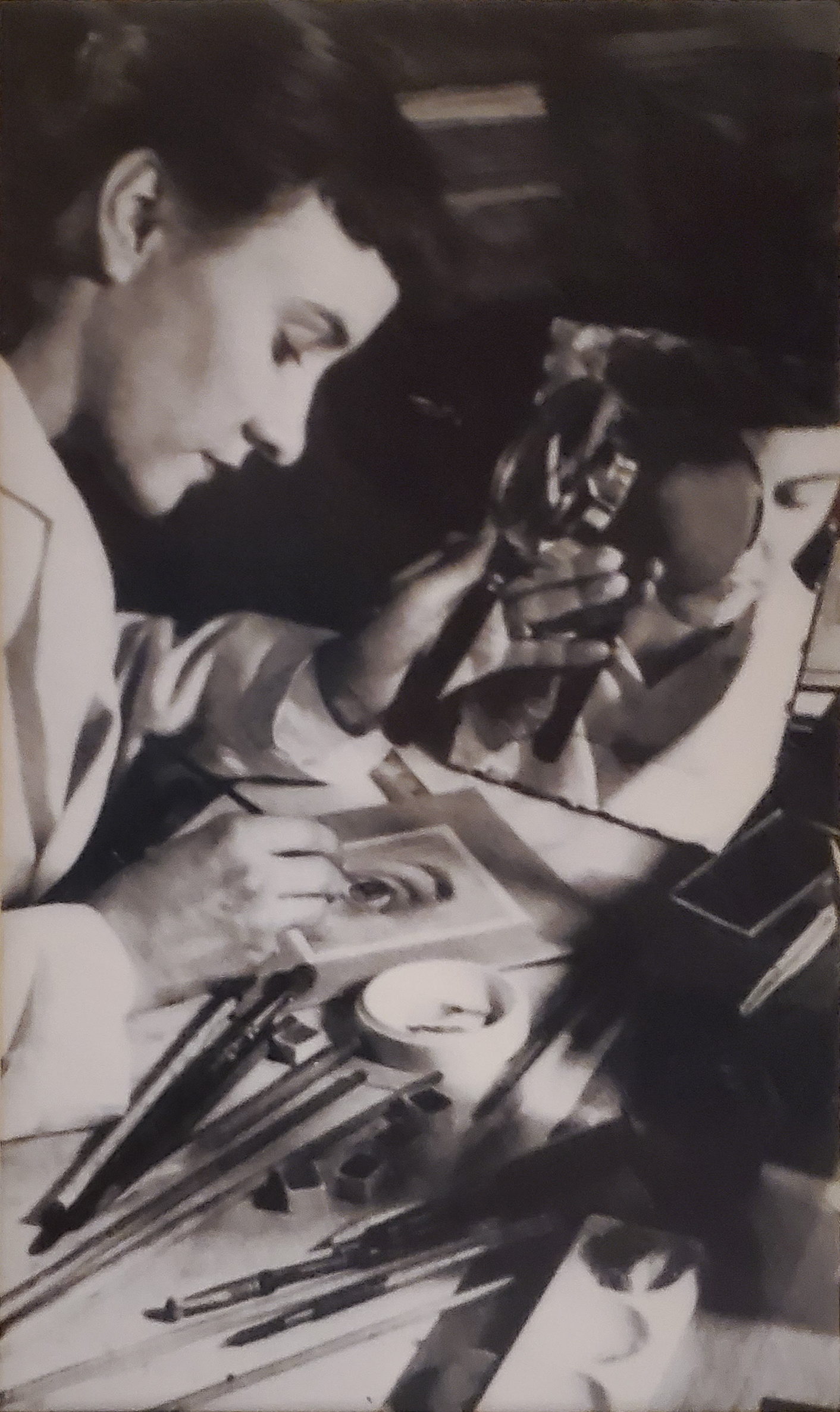
Professor Ranice W.Crosby
Women’s Medical Alumnae Association
June 1,2007
Rarice M, Crusby (0505 – 2107) graduated Phú Beta Kappa feom the Conmenficut Cilliege for Nomen. She came to Juhis Hopikáns in 1937 to begin her studies in medical iluntarion ander fhe bmilliant and world famous Max Brodel, wtho had frunded the fint-cf-m-kind Daparthment 斫f Ant es Applred to Medicine in 1911. She was the last practicing medical ilhunutr to tain dineatyy with Bnodel, and in 1943 she became the first woram to dirent a department at the Juns Hopkins Sdtrrdl of Medidine She served as head of Art an Applied to Medicime for 4pans. Even after slepping doon as diredtor in 1963, the contined as Diredhor Enerita to teach in the Departcoent for anotiter 22 prears. In additiom, she contimed to administer and nestune the masane Brordel andhives, wthuch may be the firrest onillentiom of medical imstaticns in the worid Culleagiues adimuned her dkills as an illustrator, and the inpired and enconaged her students so Pconne fthe fireest momibrers of the prodessim. She was a foonding member of the Asspdaticn of Madlical Illiustrations(Abl), and not only contniutted to the denelopment of the ponfesticm bur aliso led it to the sucuessful establiuhmrent and recugrition of the anpredited gradoate program区Linder Crudby's leaderuhijp,the instrucicmal program in Medical and Biclogical Itestaticn wras eenabed to a master's dngpee level in 1961 An excellent artinst frrmn the first,she puuhhed to adocanoe fer Seld not only in antistic pecficiency butt also im its value as a sdhulastic cormglement to ther medical somtces. In granttude, the Association cf Medical Iinstrators, wihich she heiped czeate and led for many yiars, hononed her with its Lidetime Achúenement Aorand im 1967.Johms Hloykins rengrized her dedication to teaching and significant contributions to the feld of medical iluutration, bodh at the unéveruty and nationally, by confenring oo her the bencrary Consor of humane letkers degzee in 2002. Om the 50th anniversary of her teaching at lohms Hogkins,one of her studiats wrote. "Known for her teaching, the had the qualities for good admsinistration growing out of pertentionúsm, persistence, pride, caring, a pre-feminist insistence mpon eqrual ability,an inderent semse of divcretion and an ability to inspire teamoork, respect for coorkers and loyalty." We salute Ranice Crosby for her enthusiastic, lifelong dedication to boch the past and future of medical iflustration.

Dr. Elizabeth Dexter Hay
Women’s Medical Alumnae Association
June 5,2009
Elizabeth (Betty) Dexter Hay (1927-2007) She graduated summa cum laude from Smith (1948) where she began her work in understanding amphibian regeneration under S. Meryl Rose. Recognizing her innate talents, he advised her to get an M.D. rather than a Ph.D. to avoid being relegated to teaching in a woman's college. Dr. Hay knew that she was born to be a biologist and that “biological structure was just something that clicked" for her. She was one of four women to graduate from Johns Hopkins in 1952 (along with Mel Avery). Driven to understand how the structure of an organism allows it to function, she immediately recognized the power of the electron microscope, and found the only one at Hopkins in the School of Public Health. Frustrated by what she thought was poor technique, she soon moved to join the group at Cornell and finally to Harvard in 1960, where she spent the rest of her career. She was a force to be reckoned with in virtually every arena. Those who knew her described an obsessive observer, presumably referring not only to her science, but perhaps also to her acumen as a gatherer of wild mushrooms. She is renowned as an innovative investigator who continually brought new techniques and people into her field, moving well beyond basic EM with new genetic, molecular biology and imaging strategies. Her work in limb regeneration ultimately demonstrated that cells that had already differentiated could become “stem" cells again. But it is for her work on the extracellular matrix and in delineating the process of epithelial-mesenchymal interaction that she is best remembered. She was an author of more than 100 papers and four books. As the Louise Foote Pfeiffer Professor of Embryology (1969), she became the first woman to become a full professor in a Harvard preclinical department, and became the Chair of the Department of Anatomy and Cellular Biology in 1975. She was an exceptionally effective administrator, but one who remained committed to hands-on bench research and teaching throughout her life. This is evidenced in the marvelous sense of community and caring that was apparent in the “Betty stories" that were published in celebration of the enormous personal impact she had on so many lives, including her scientific descendants. And finally, she was a thoughtful and committed citizen of the wide community of science. She understood that individuals needed to work arduously for what they believe in. In explaining why she edited the Journal of Developmental Biology when she was displeased with the way photomicrographs were being published, she acknowledged “it doesn't do any good to write the editor; you have to be the editor, so that was why I did that." She was a woman of many firsts: first woman to be elected president of the Society for Developmental Biology, first woman president of the American Society of Cell Biology and the first woman to receive the Conklin Medal in Developmental Biology. She was a member of the National Academy of Science, received numerous honorary degrees and more than twenty awards, including the prestigious E.B. Wilson Medal (1988), the highest award of the American Society for Cell Biology. We honor Betty Hay for her insatiable curiosity, her energy and perseverance, the critical thinking that was her hallmark, and her joy in discovery that was so contagious.

Dr. Christine Edry Seidman
Women’s Medical Alumnae Association
June 5,2009
Christine ("Kricket") Seidman (1952 – ) graduated from Harvard (1973), earned her M.D. degree at George Washington University School of Medicine, completed her housestaff training on Osler (1978-1981), spent a year at the National Institutes of Health, and then completed her cardiology fellowship at the Massachusetts General Hospital. Growing up on Long Island, New York, Dr. Seidman always wanted to be a doctor, but it was her residency at Johns Hopkins that inspired her lifelong love of research. Dr. Seidman has made major contributions to the molecular approaches to understanding inherited human disorders. Work in her laboratory has led to the discovery of many of the genetic causes of cardiac disorders, and established the first genetic abnormality to explain hereditary hypertrophic cardiomyopathy. In 1986, Dr. Seidman and her husband, molecular biologist Jon Seidman, first identified several families with inherited hypertrophic cardiomyopathy. Using linkage analysis, they found that mutated genes encoding sarcomere proteins in the heart muscle cause the disorder -one of the first molecular defects identified in cardiovascular disease. As co-director of the Seidman Laboratory at Harvard Medical School, Dr. Seidman continues her efforts to understand the causes of hereditary heart diseases. Much of the research in recent years has focused on a hereditary genetic mutation that leads to hypertrophic cardiomyopathy, with additional efforts relating to heart failure and congenital heart malformations. Genetic etiologies help to explain why some mutations result in late-onset cardiac hypertrophy, while others predispose to early disease and sudden death. Her laboratory also produces murine models that carry human mutations. These models have furthered the study of how different gene mutations produce distinct phenotypes and help to investigate the role of modifying genes and environment in disease expression. A Professor of Medicine at the Harvard Medical School, she was elected to Alpha Omega Alpha and received the American heart Association Clinician Scientist and Established Investigatorship awards. She was inducted into the Johns Hopkins Society of Scholars in 1998, and the National Academy of Sciences in 2005. In honor of their work Doctor Seidman, together with her husband, received the 2007 Grand Prix de la Foundation Lefoulon-Delalande at the Institut de France in Paris. We salute Christine ("Kricket") Seidman for her enthusiasm, determination, dedication to her patients and for blazing a trail in cardiovascular medicine and cardiovascular science.
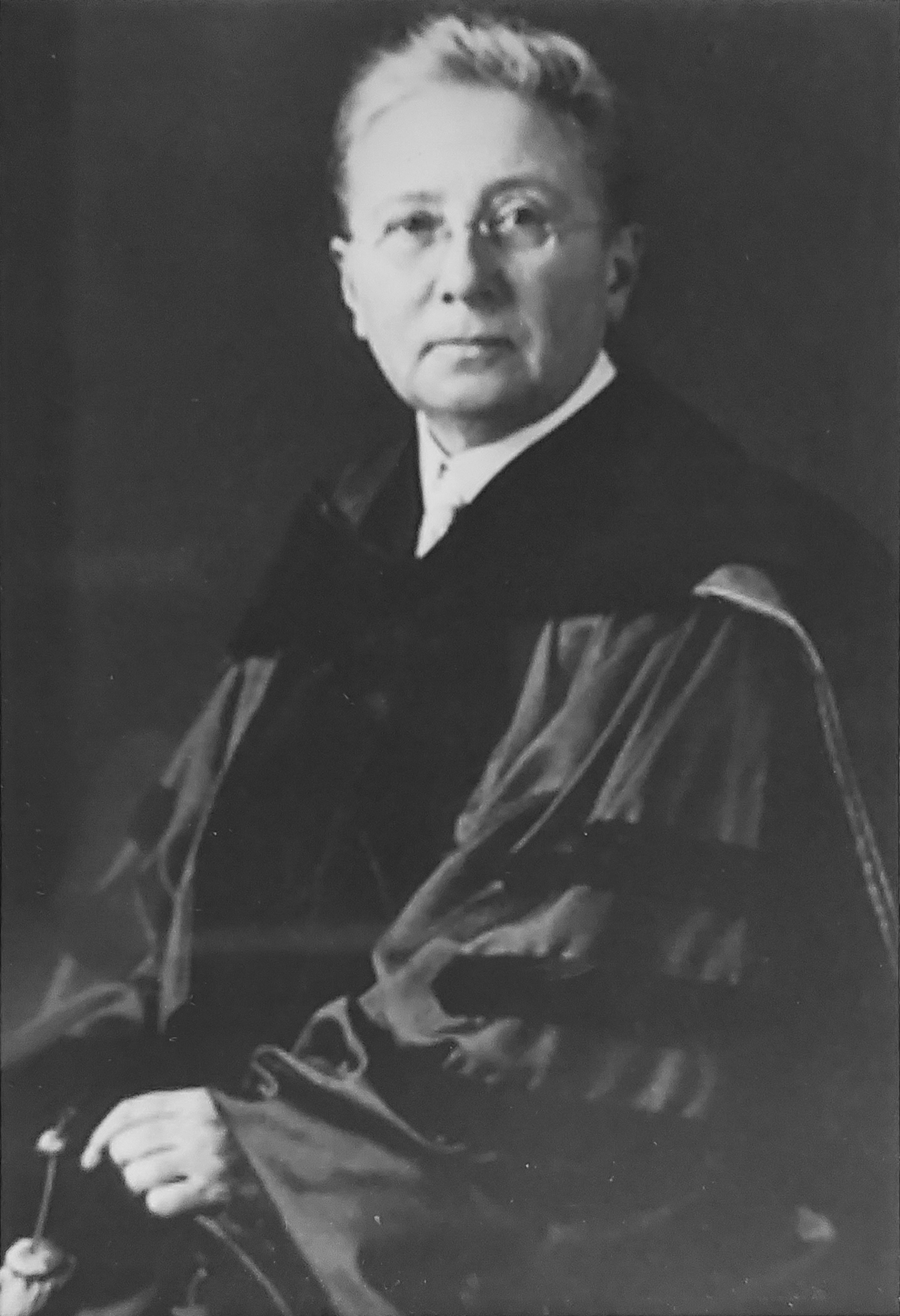
Dr. Clelia Duel Mosher
Women’s Medical Alumnae Association
June 10, 2011
Clelia Duel Mosher (1863-1940) Thought to be too fragile for higher education, she was taught horticulture by her father, who also let her operate a greenhouse. Determined, and self-reliant, she earned enough money to send herself to Wellesley. She continued her studies at the University of Wisconsin and finally graduated from Stanford in 1893. During these years she began to focus on the science that would shatter the stereotype of the physically (and psychologically) incapable woman. She remained at Stanford as an assistant in hygiene, where her job involved measuring a variety of parameters of incoming women. Her master's thesis concluded that women breathed the same way as men (diaphragmatically, not costally), if freed from constrictive clothing and restrictions on exercise. Recognizing there was an even more important “disability" standing in the way of a productive life for women in the working world, she began her extensive longitudinal study of 1200healthy young women's menstruation. Knowing this could not be completed without the proper credentials and scientific background, she notified Johns Hopkins that she planned to join the medical school with advanced standing in the fall of 1896. Welch informed her that she would be admitted after further courses in chemistry and physics. Upon graduation in 1900, she completed an externship in gynecology with Dr. Howard Kelly, but went no further when he warned her that he doubted any man would work under a woman. Working alone, she published her preliminary findings on menstruation in 1901,explaining that a woman focused on what was expected– that she must suffer and be incapacitated by menses. Her research, however, outlined a variety of factors that were likely to contribute to a diminished sense of well being: lowered blood pressure, inactivity, and constipation. She did not believe that women needed to dwell on the discomfort, and she certainly believed that they should not use it as an excuse. They should exercise! Returning to California, she was unable to acquire funding and did not resume her research until a decade later when she returned to the Stanford faculty as the medical advisor for women. Over the next decades she continued her work to prove that women were considerably stronger and more capable than tradition held. Her two books, The Relation of Health to the Woman Movement and Women's Physical Freedom provided science and advice meant to liberate women throughout their lives. Substantive as this work was, it was the "Statistical Survey of the Marriages of Forty-Seven Women," discovered in 1973, that is testament to her remarkable tenacity in the quest for understanding the lives of women. In this nine-page, 25 multi-part questionnaire, she uncovered an amazing picture of Victorian sex between 1892 and 1920 with the vast majority of the respondents born before 1870. Sexuality, desire, passion and knowledge of contraception were thoughtfully probed and described. Although Dr. Mosher appears to have lived a very solitary existence, reveling in her home and garden, she greatly influenced the liberation of countless women she taught at Stanford and those who read her books. Stanford promoted her to full professor one year before she retired in 1929. We honor Clelia Mosher for being a “mythbuster", for being a feminist before her time, and for providing us with a remarkable role model of a woman who defied the limitations that society sought to impose.

Dr. Charlotte Ferencz
Women’s Medical Alumnae Association
June 10,2011
Charlotte Ferencz (1921- ) Born in Budapest, Hungary, she spent the formative years of her upbringing in her native Hungary. Her father, an engineer, had an acquaintance living in Toronto, who arranged for him to bring his family to North America in conjunction with an employment opportunity. Then-seven-teen-year-old Charlotte and her sister excitedly accompanied their parents as they embarked on a new life in Canada. They arrived in Montreal in May 1939, just a few months before World War II exploded across Europe. Dr. Ferencz obtained most of her education at McGill University, starting with Bachelor of Science with distinction in 1944. Her father might have hoped that she would follow him into a career in engineering, but that was not to be. While an undergraduate, Dr. Ferencz joined ward rounds with Dr. Enid Johnson, an anesthesiologist. The experience of visiting patients the night before surgery, at a time when surgery was much less sophisticated than today, was a defining moment-Dr. Ferencz knew then that she wanted to be a physician, and changed the direction of her studies. She entered medical school at McGill in 1942, soon after the onset of a polio epidemic. At that time, Children's Hospital in Montreal was busy with victims of polio, and used the Sister Kenny approach to managing polio patients with hot baths. In the midst of WWII, with many physicians overseas, medical students came in to help in the hospital, and many did much of the work now done by interns. Dr. Ferencz's decision to pursue a career in pediatrics evolved from that experience. She received her Doctor of Medicine and Master of Surgery from McGill in 1945, and her Diploma in Pediatrics in 1951. Following rotating internship she interned at the Children's Memorial Hospital in Montreal. That position led to a research Fellowship in the Cardiology Department at Children's Memorial 1948-49, her professional initiation into the field of Pediatric Cardiology. She recalls a tea for a women's medical society, where there was discussion about a woman in Baltimore who had "invented a procedure to turn blue babies pink." This "epoch-making work" by Dr. Helen Taussig brought Dr. Ferencz to Johns Hopkins in 1949 as a Fellow in Pediatrics. She returned to Children's Memorial in Montreal in 1952, but then came back to Hopkins in 1954, recruited by Dr. Taussig to join the busy Pediatric Cardiology Division; she headed the Rheumatic Fever Division 1954-58. Dr. Ferencz felt that having three women (Dr. Taussig, Dr. Catherine Neill, and herself) running Pediatric Cardiology might not be fair to young men interested in the field, and accepted an offer from University of Cincinnati, then the State University of New York at Buffalo 1959-1973. Throughout this time, she maintained her contact with Hopkins and the School of Public Health through her interests in rheumatic fever and congenital heart disease. She received a Master of Public Health degree from Hopkins in 1970. She came to the University of Maryland in 1973. Concurrently, in 1981 she became Senior Associate, Department of Epidemiology in the Johns Hopkins School of Hygiene and Public Health. With funding from the National Heart, Lung & Blood Institute, Dr. Ferencz embarked upon the most important project of her professional career in 1981, as Principal Investigator for the comprehensive Baltimore-Washington Infant Study, 1981-1989, a population-based etiologic study of congenital heart disease. Drawing upon the resources of 53 participating hospitals and more than 800 physicians, the study included 4390 cases and 3572 controls over its period of eight years. The published findings of the project comprise volumes 4 and 5 of the series Perspectives in Pediatric Cardiology. We honor Charlotte Ferencz for following her dreams, for her persistence, her commitment to the welfare of her patients, and for her indomitable spirit.

Dr. Linda P. Fried
Women’s Medical Alumnae Association
June 7,2013
Linda P. Fried (1949 – ), a native New Yorker, attended Hunter College High School, and went on to study history, receiving her Bachelor's degree from the University of Wisconsin in 1970. She spent five years variously as a paralegal, social worker, and physical therapist. A friend told her that she would have a hard time taking orders from a doctor, so she enrolled in Rush Medical College in Chicago, and graduated in 1979. She trained in internal medicine at Rush Presbyterian-St. Luke's Medical Center in Chicago. She received her M.P.H. from the Johns Hopkins University School of Hygiene and Public Health in 1984.Dr.Fried was recruited for a fellowship in the geriatrics program at the JHU SOM by Dr. William Hazzard – and she hasn't looked back. In 1985, Dr. Fried accepted joint faculty appointments in the Johns Hopkins School of Medicine and School of Hygiene and Public Health. She went on to serve as Director of Geriatric Medicine and founding director of the Johns Hopkins Center on Aging and Health, which studies the epidemiology of aging, relationships between aging and health and interventions to improve health with aging She also served as Director of the Training Program in Clinical and Population-based Research on Aging, and of the Epidemiology of Aging Course in the Bloomberg School of Public Health, and as Professor of Medicine, Epidemiology and Health Policy at the Johns Hopkins Medical Institutions. She was named a Kaiser Faculty Scholar in Genera Internal Medicine. Following the 1989 report of the Provost's Committee on the Status of Women, Department of Medicine (DOM) Chair Dr. John Stobo established the Task Force on Women’s Academic Careers in Medicine, to evaluate whether there were career obstacles for women faculty in the DOM and, if so, to characterize them. Dr. Fried was co-founder of the Task Force, and served as its Chair 1989-95, She was instrumental in designing a rigorous faculty-wide survey regarding potential gender bias within the DOM that led to a seminal publication in JAMA reporting the positive results of multifaceted interventions 1990-95. In 2008, Dr. Fried moved to Columbia University as Dean of the Mailman School of Public Health (the first woman to hold this position), DeLamar Professor of Epidemiology, Professor of Medicine at Columbia's College of Physicians and Surgeons, and Senior Vice President of Columbia Medical Center. Dr. Fried is the recipient of numerous honors and awards, including, the 2012 Longevity Prize of the Foundation IPSEN, and a MERIT Award from the National Institutes of Health. She has been named a "Living Legend in Medicine" by the U.S. Congress. Dr. Fried is an elected member of the National Academy of Sciences' Institute of Medicine and of the Association of American Physicians where she serves on the governing Council. Dr. Fried is a leader in the fields of epidemiology and geriatrics. She has dedicated her career to the science of healthy aging, particularly the prevention of frailty and disability, and to the design of approaches that may benefit all in an increasingly aging. We salute her generosity of spirit, her years of mentoring and her ceaseless advocacy for young doctors and researchers, especially women. We honor Linda Fried for her passion and commitment -she is a world-class researcher, activist, and advocate.

Dr. Barbara Starfield
Women’s Medical Alumnae Association
June 7,2013
Barbara Starfield (1932-2011) was born in Brooklyn, N.Y. She graduated from Swarthmore and received her M.D. from the State University of New York (Health Sciences Center in Brooklyn). She trained in pediatrics in the Harriet Lane (1959-1962). It was in the Lane that she rapidly grasped what would be her future. With the encouragement of Dr. Robert E. Cooke, chair of Pediatrics, she spent her SAR year directing the housestaff service in the outpatient clinic and then was encouraged by Cooke to do her MPH. Dr. Kerr White's 1961 paper entitled "The Ecology of Medical Care", framing medical-care research in the context of medicine as a social institution struck an immediate chord with Dr. Starfield. The disconnect between medical training and the health care needs of the community were obvious. Dr. Starfield recognized that we would not improve the health of populations, even with remarkable research in our laboratories, if we did not give equal attention to medical-care research. Returning as faculty to co-run the outpatient clinic, she began to formulate a guiding principle for the rest of her career-good health care must originate in the ambulatory/primary care world, not in the hospital or through specialists. She soon joined Dr. White at the School of Hygiene and Public Health embarking on her long and distinguished career in researching the delivery of health care and advocating for changes in the way these services are provided. As a professor, she went on to lead the Division of Health Policy in the Department of Health Policy and Management (1975-1994). Throughout the ensuing decades, she devoted her life to providing and interpreting data that enabled her to become such a strong advocate for primary care, child health and equity in health for people in the United States and the entire world. Her publications number more than 300, demonstrating rigorous scholarship and her gifts of collaboration and mentorship. Her awards were numerous including a Lifetime Achievement Award from the Ambulatory Pediatric Association, becoming an Honorary Fellow of the Royal College of General Practitioners (UK)and election to the Institute of Medicine. Perhaps co-founding and becoming the first President of the International Society for Equity in Health (2000) could be considered one of her most enduring legacies. Her humor, warmth, mastery of the data, and compassion were obvious to all who heard her lecture or read her published works. We honor Barbara Starfield for her dedication to creating an understanding of how health care should be delivered, for her fearless articulation of the inequities in health care, and for her optimism and belief that we can change the world.

Dr. Nancy E. Davidson
Women’s Medical Alumnae Association
June 5,2015
Nancy E. Davidson (1954- ) graduated from Wellesley College (1975) with a degree in molecular biology and earned her M.D. degree at Harvard Medical School (1979) Following her internship at the University of Pennsylvania, she pursued her residency training on Osler (1980-1982) before joining the National Cancer Institute (NCT) as a Medical Staff Fellow (1982-1985). Dr. Davidson's interest in oncology was fueled by undergraduate laboratory experiences studying liver cancer at the Massachusetts Institute of Technology and breast cancer at the National Institutes of Health. These opportunities convinced her that the field was her "north star." In 1986, while setting out as a breast cancer specialist at Johns Hopkins, she received an ASCO Young Investigator Award, which she credits with helping launch her career. She has repaid that honor many times through her long history of volunteer service within the Society, including serving as President 2007-2008. After more than 20 years at The Johns Hopkins University School of Medicine, including appointments at the Cancer Center and Bloomberg School of Public Health, Dr. Davidson became the Director of the University of Pittsburgh Cancer Institute and the University of Pittsburgh Medical Center Cancer Centers in 2009. Over the past decades, Dr. Davidson became internationally known for her research in breast cancer, and played a pivotal role in major breast cancer treatment advances. Her laboratory research focused on epigenetics and breast cancer. Dr. Davidson published key findings on the role of hormones, particularly estrogen, on gene expression and cell growth in breast cancer. She has been a leader in the conduct of breast cancer clinical trials in the national setting, and guided several important national clinical trials of potential new therapies, including chemoendocrine therapy for premenopausal breast cancer. Her interests include clinical and translational breast cancer research; cancer biology and treatment; role of apoptosis; and mechanisms of epigenetic regulation of gene expression of the estrogen receptor alpha (ESR1) gene in breast cancer treatment. She is the author of more than 300 scholarly papers, demonstrating rigorous scholarship and her gifts of collaboration and mentorship. Her career has been marked by multiple awards, including election to membership in the Association of American Physicians and the Institute of Medicine. She was the recipient of the Distinguished Alumna Award from the Johns Hopkins University Alumni Association in 2009. She was presented with the 2010 Gianni Bonadonna Breast Cancer Award, which recognized not only her research, but also the importance of mentoring the next generation of oncologists. A member of the scientific advisory board for many foundations and cancer centers, Dr. Davidson has served as an elected member of the boards of directors of the American Association of Cancer Research and the American Society of Clinical Oncology, the two largest organizations for cancer researchers and oncology professionals in the world. She was president of the American Society of Clinical Oncology from 2007-2008, and will serve as President of the American Association of Cancer Research in 2016-2017. Dr. Davidson's professional commitment was amplified in a most personal way when her 53-year-old sister died abruptly in 2011 from non-smoking lung adenocarcinoma that lacked an EGFR mutation or EML4-ALK fusion. As she mentors younger researchers and physicians, including her own daughter, who graduated from medical school this year, Dr. Davidson asks them “to keep in mind our overarching goal, which is to do the best thing by our patients…. Keep in mind that good science and good medicine are completely linked." We salute Nancy Davidson, a remarkable clinician-scientist, for her passion, enthusiasm, determination, dedication to patients, mentoring, and for blazing a trail in breast cancer research and care.

Dr. Paula Marie Pitha-Rowe
Women’s Medical Alumnae Association
June 5,2015
Paula Marie Pitha-Rowe (1937- 2015) was born in what is now the Czech Republic. The daughter of a lawyer and a judge, her professional career developed on an international basis. She earned a PhD in Biochemistry from the Czech Academy of Sciences at Prague in 1964. Her subsequent training was at the Institute of Organic Chemistry and Biochemistry in Prague, the National Research Council (Ottawa, Canada), the Curie Institute (Paris) and the Salk Institute (California). She joined the faculty of the Johns Hopkins School of Medicine in 1971, and attained full professorship in 1985 – the 13th woman faculty member at the School of Medicine to do so. She was a Professor of Oncology, Molecular Biology and Genetics in Hopkins' Biology Department and at the Medical School. Dr. Pitha-Rowe was the first full-time basic research scientist recruited o the then-nascent oncology program at Hopkins. Her seminal work on interferon and the role of infection in oncology was at the core of the cancer program that flourished and evolved into the premier Sidney Kimmel Comprehensive Cancer Center. At the Cancer Center, and later in the Department of Biology, Dr. Pitha-Rowe pioneered basic research leading to the understanding of inflammatory cellular immune responses to viruses and other infectious agents, and how viruses may contribute to cancer. This work led to international acclaim and honors in this field. She received the 1996Milstein Award for groundbreaking work in defining interferon gene regulation and describing many members of the interferon regulatory factors (IRF). This work advanced the understanding of how this aspect of the immune system controls a variety of functions including antiviral immunity, inflammation, apoptosis and hematopoietic growth and differentiation. It also explained how dysfunction of this system could to lead to chronic autoimmune disorders and oncogenesis. In 2005, she was awarded the G.J. Mendel Honorary Medal for Merit in Biologic Sciences. She was elected a Fellow of the American Association for the Advancement of Science (AAAS) in 2011. Dr. Pitha-Rowe worked in the field of the innate immune response for most of her life. Her interests also included antiviral response to infectious pathogens and more recently interferon-stimulated genes (ISGs) and the role they play in the innate antiviral response, possibly leading to a novel antiviral strategy targeting HIV and other viruses. Dr. Pitha-Rowe was the author of more than 200 papers in scholarly journals, and served on the editorial boards of many professional publications. She served on national and international scientific committees with a far-reaching impact on the global community. She retired in 2013 but maintained an active life with her family and colleagues and remained in the classroom. In fact, she taught her biology class at the University on the day of her death. A colleague commented on "that charming elegance which marked Paula's approach to everything, including the complex scientific puzzles that she solved with elan." Her husband was Dr. Wallace Prescott Rowe, an internationally known virologist and cancer researcher, the discoverer of adenovirus in 1953, and the chief of the laboratory of viral diseases at the National Institute of Allergy and Infectious diseases until his death in 1983. We salute Dr. Pitha-Rowe for her extraordinary research, her strong support of women in science, her compassion, warmth, collegiality, and generosity of spirit.

Patricia Charache
Women’s Medical Alumnae Association
June 9,2017
Patricia Charache (1929 – 2015). While an undergraduate at Oberlin College, Ohio she met and fell in love with Dr. Samuel Charache. The newlyweds moved to New York, where she earned her B.A. from Hunter College (1952). With Sam's encouragement, she obtained her MD from New York University School of Medicine in 1957. Her research interests involved microbiology (Colin MaCleod) and immunology (Charles A. Janeway) while her clinical training at Baltimore City Hospitals (Bayview) and Harvard led her to an appointment as Instructor in Infections Diseases at Hopkins in 1964. Her microbiology career paralleled her infectious diseases consultative practice, and as both departments grew, so did her responsibilities and contributions. When the Division of Microbiology moved to the Department of Pathology, she served as Director of its various laboratories for 20 years (1973-93) with abundant energy and wise direction Her early research interests involved the detection of genetic abnormalities using immunologic approaches, and later in her career her focus was on the development of new approaches to detecting microbial pathogens, including those that cause AIDS and tuberculosis. Her innovations included the development of a novel 19-test, agar-based, computer-assisted method of bacterial identification and susceptibility testing, which revolutionized testing and was in use in the clinical laboratory for 30 years. She was committed to establishing modern laboratory technology in developing countries. In 1992, she became the 30th woman to be named a full Professor in the School of Medicine. In 1993 she became Deputy Director of Clinical Affairs, Physician Adviser, and Director of Quality Improvement for the Department of Pathology (1993-96). Finally, she was the Program Director of Quality Assessment and Outcomes Research Programs from 1998 until her retirement. Dr. Charache served on more than two dozen committees, including the Medical Board and Medical Care Evaluation Committee, often taking on work that no one else wanted to tackle, such as risk management and credentialing. Dr. Charache's expertise was recognized by many professional organizations and government agencies, which routinely appointed her to advisory boards and committees. Among those she served were the Food and Drug Administration, the National Institutes of Health, the Centers for Disease Control and Prevention and its Clinical Laboratory Improvement Advisory Committee – and even the Joint Commission, which asked her to chair its Pathology Advisory Council in 2007. Dedication to patient care and her excellence as a microbiologist were recognized by many professional organizations. For her outstanding service for advancing the field of microbiology and for her service to the American Society for Microbiology, Dr. Charache received one of the most prestigious awards bestowed upon a clinical microbiologist by the ASM, the bioMérieux Sonnenwirth Award for Excellence in Clinical Microbiology. No obstacle was insurmountable, and she was perceived as a catalyst for change. She worked tirelessly and courageously to advocate for professional development of all faculty, especially women. Her insightful dedication to mentorship launched the careers of many professionals. Some of her protégés became prestigious academicians and laboratory directors. An impressive 12 medical technologists in her laboratory obtained their PhDs, and another 30 individuals earned their Master's degrees. Ever the patient advocate, she did not hesitate to promote patient safety and quality. She had a tenacity that compelled her to revisit issues that concerned her until matters were resolved to her satisfaction. We salute Dr. Patricia Charache tenacious patient advocate, for her energy, perseverance, mentorship, warmth, collegiality, and generosity of spirit.

Catherine D. DeAngelis
Women’s Medical Alumnae Association
June 9,2017
Catherine D. DeAngelis (1940- ) became a nurse (Scranton State Hospital School of Nursing), graduated from Wilkes College (1965) and received her M.D. from the University of Pittsburgh (1969). She began pediatrics training at Children's Hospital of Pittsburgh and completed it in the Harriet Lane at Johns Hopkins. She obtained her M.P.H. from Harvard (1974). Her first faculty position was at Columbia where she initiated a training program for nurse practitioners and began the development of her program to provide continuity of care for children. She returned to Hopkins in 1978 as head of the general pediatrics and adolescent medicine division where the concept of an academic general pediatric division flourished. In 1984, she was promoted to full professor, the twelfth woman to attain this distinction in the school's history. Data and biographical descriptors do not do justice to Dr. De's unique contribution to our medical and global community. The practice of medicine is her vocation, reflected in her teaching and in her exuberance. As Vice Dean for Academic Affairs and Faculty, she spearheaded the curriculum change in the medical school that led to students' involvement with patients in community clinics beginning in their first year. She believes compassionate caring can be taught. The Patient, Physician and Society Course provided a basis for teaching professionalism and medical ethics. Dr. De clearly experienced gender discrimination/bias and remains committed to Pursuing Equity in Medicine, the title of her recent autobiography. Her ability to distinguish the difference between equality (not possible given biological differences) and the need for impartiality and freedom from bias and unfairness (equity) has been at the core of her success in championing causes, teaching and mentoring. She led the study that determined that women's salaries were inequitable and that women were not being promoted in the same manner as men. The Dean's office spent two million dollars correcting this inequity and efforts to achieve and maintain salary equity continue. She created the Women's Leadership Council that fostered mentorship, initiatives to include women on committees and efforts to seek out "forgotten women," When she left the Dean's office in 1999, there were fifty-eight women professors. In 2000 she became the first woman Editor-in-Chief of the Journal of the American Medical Association (JAMA) where she was "JAMA Mama" until 2011. The Journal's prestige and stature grew because of her insistence on scientific integrity. Changes included a policy that all clinical trials must be publicly registered and that an independent academic statistician review all industry sponsored clinical trials. Dr. DeAngelis is a former council member and current member of the National Academy of Science (NAS), Institute of Medicine (IOM); a Fellow of the American Association for the Advancement of Science; a Fellow of the Royal Academy of Physicians and has served as an officer of numerous national academic societies. She currently serves on the Advisory Board of the US Government Accountability Office and the IOM (NAS) Omics-Based Tests Committee. Dr. DeAngelis previously served on the board of Physicians for Human Rights. Dr. De has had escapades on six continents, been held hostage, escaped harrowing medical emergencies and emerged irrepressible. Throughout these adventures and missions, she has been aided and abetted by a close-knit family, a wide and deep circle of friends and her brilliant, thoughtful husband, Jim Harris who is a professor of psychiatry and pediatrics. We cherish and honor Dr. De today for all that she has done for children, for society and for women in medicine. We especially thank her for showing us how to lead lives and careers that embody the "Four T's"—Tenacity, Tough-mindedness, Thick Skin and Tender Heart.

Anne Bishop McKusick
Women’s Medical Alumnae Association
June 1,2018
Dr. Anne Bishop McKusick (1922-2017), born and raised in Rochester, N.Y., was the daughter of a physicist who directed research and development for Eastman Kodak Co. This clearly shaped her choice of disciplines. She initially attended McMaster University and graduated with a degree in physics from Cornell in 1944, a rare woman in this field at the time. She was recruited to join what she realized was a very important part of the war effort, the Manhattan Project at Oak Ridge (April 1944-December 1945) where she worked as the only woman junior physicist in Y12 where U-235 (fissile uranium) was separated by electromagnetism from U-238 in the Calutron. It was an environment of great secrecy and she later reported being horrified when the bomb was dropped on Hiroshima. Her decision to leave physics was shaped by a desire to make a “greater contribution," and to help more people, although she was aware of the unique role she played as one of the few women in the field. She subsequently enrolled at the University of California, Berkeley to take the courses she required for medical school. She appears to have been destined for Hopkins, the only medical school to accept her when Cornell declined. At Johns Hopkins she met, and in her fourth year married, Victor A. McKusick, graduating in 1950. She trained in internal medicine and subsequently in rheumatology, joining the staff at Baltimore City Hospitals (later Bayview) where she was instrumental in establishing the Arthritis Clinic. From 1969 until her retirement in 1993, she was an assistant professor of medicine at the Johns Hopkins School of Medicine. Although she was involved in research early in her career (the shoulder-hand syndrome in tuberculosis patients, bacterial studies of paranasal sinuses in rheumatoid arthritis and the Lyon hypothesis in twin studies), this clearly was not the focus of her career. She was dedicated to patient care, teaching and becoming the "partner sublime." It is unlikely that Victor McKusick, the "father" of medical genetics, would have succeeded in such a profound way without her collaboration and support. This certainly included maintaining a remarkable home in which they graciously entertained colleagues and raised three wonderful children. Insightful, inquisitive and intellectually rigorous, she attended every Short Couse in Medical and Experimental Mammalian Cenetics at Jackson Laboratory from 1959 until her death. She was a dedicated observer/participant in the Medical Genetics Division and the Rheumatology Division throughout her life. She was continuously curious. Anne was multifaceted: she was deeply rooted in science and she could relate to people in the warmest and most insightful ways. Generations of Hopkins medical students and house staff (particularly women)were deeply influenced by the way in which she acknowledged you, wrapped you in her warmth and elegance and welcomed you into her world. We honor Dr. Anne McKusick today for fame of a distinctive nature, not the number of papers or books or awards, but in recognition of her unique contribution to the well-being and inspiration of so many programs, patients, graduates and trainees of Johns Hopkins for more than seventy years.

Dr. Katrina A. Armstrong
Women’s Medical Alumnae Association
May 31,2019
Katrina A. Armstrong (1966- ) graduated from Yale University (1986) with a degree in Architecture, but she fell in love with medicine because of the ability to make a difference at the population and individual level. Following her interview for JHU School of Medicine, her interviewer saw her standing on the street trying to get back to the train station in a snowstorm, insisted on taking her to the train station-and then mailed her the gloves she had left in his car. That experience convinced her that JHU was a place that really cared -and was where she wanted to go to medical school. She received her M.D. in 1991, and matched for an Osler residency (1991-1994). She went on to marry her medical school classmate, gynecologist-oncologist Thomas Randall, and to serve as Assistant Chief of Service (1995-1996). While at Hopkins, she embraced the Oslerian approach to medical education, the touchstone she has carried with her. She made the best even better with her indefatigable pursuit of excellence, her exceptional skills in teaching and her peerless talent in promoting teamwork. She learned how to give presence and impact to all things that matter-personally and professionally. Dr. Armstrong believes the ACS model is so meaningful because of its daily emphasis on the team and being at the bedside. She balanced her extremely busy life as an ACS and mother by taking her toddler to the Zoo in the middle of the day (she now has three children – a son and two daughters).This practice exemplifies what we now call "Work-Life Integration"! Dr. Armstrong completed a research fellowship and a Master of Science in Clinical Epidemiology at the University of Pennsylvania. In 1998, she joined the faculty at Penn where she led a research program in cancer control and assumed multiple leadership roles, including Chief of the Division of General Internal Medicine. In April of 2013, she was appointed as Chief of the Massachusetts General Department of Medicine. (Her first day at MCH was the day of the Boston Marathon bombing) She is an internationally recognized investigator in the areas of health disparities, medical decision making, and cancer prevention and outcomes. She was elected to the National Academy of Medicine and named to the Johns Hopkins Society of Scholars. She continues to be a dedicated practicing internist. Over her career, Dr. Armstrong has prioritized her role in medical education including developing and leading courses on clinical decision-making at Penn and at MGH. Diversity and inclusion are central to Dr. Armstrong's leadership, including her award-winning roles in the advancement of women, her commitment to programs to support diversity across faculty and trainees at the MGH, and her research leadership in health disparities and community-based research. Dr. Armstrong inspires us to "think big" professionally. She advised a colleague at Hopkins to focus on topics that seem important to a taxi driver – if they don't understand why it is important, maybe it's not big enough. As she mentors young physicians, she recalls: "The Osler program certainly set the compass for who I am professionally Learning how to be a great doctor brings so many lessons that are critical for leadership in academic medicine. Maybe most importantly, how really listening can help you walk in someone else's shoes and make a better plan of care" She believes there is no more important or meaningful work than that of academic medicine. Her wisdom continues to guide us. We salute Katrina Armstrong for her commitment to diversity and the advancement of women, her dedication to education, mentoring and research, and for blazing a trail in leadership

Dr. Estelle Gauda
Women’s Medical Alumnae Association
May 14,2021
Dr. Estelle Cauda (1957-present) is a Professor at the University of Toronto, Head of the Division of Neonatology at SickKids at The Hospital for Sick Children, Director of the University of Toronto's Center for Neonatal Medicine and Senior Associate Research Scientist, SickKids Research Institute She was appointed to this position in 2017. In these roles, she supports the academic careers of neonatologists and leads the development of programs in education, clinical care, research and outreach in neonatology for the Greater Toronto Area, Ontario, and more broadly in Canada. Prior to that position, she was Professor of Pediatrics, Senior Associate Dean for Faculty Development and gave 29 years of service to The Johns Hopkins School of Medicine as a physician-scientist, neonatologist, mentor and advisor to many in the Department of Pediatrics. She was known for being a tireless advocate for faculty throughout the School of Medicine. Dr. Cauda joined the faculty of Johns Hopkins in 1989, having received her medical degree from Iowa College of Medicine, residency training at St Louis Children's Hospital, Washington University, and a fellowship in neonatology at Rainbow Babies and Children's Hospital, Case Western Reserve University. She became the 2nd African American women to be promoted to Full Professor at The Johns Hopkins School of Medicine in 2008. As a physician-scientist, Estelle is recognized internationally as an expert on the carotid body and its role in controlling breathing during early development. Her work has ranged from discoveries on molecular and cellular mechanisms causing altered carotid body function during, development (which contributes to intractable apnea in premature infants and sudden infant death syndrome) to treatment of opioid dependency in newborn infants. She is widely known for her randomized double-blind trial demonstrating safety and efficacy of clonidine as adjunct therapy for opiate detoxification in newborn infants. As a result of this work, clonidine is currently the standard of care for treatment of infants with opiate dependence. Dr. Gauda has mentored students at all levels of training as the director of NIH-funded training program for doctoral and postdoctoral students and mentored pediatric residents and junior faculty at Johns Hopkins, Morgan State University and at All Children's Hospital. Estelle has made significant contributions to faculty development within the School of Medicine. In her former role as Chair of the Associate Professor Promotions Committee (2006-2014),she substantially increased the transparency of the process of academic promotion through workshops, conversation, mentoring and creating the web-based Nomination Manager to streamline the promotion process and extended this to the Professorial Promotion Committee She was appointed Senior Associate Dean for Faculty Development in 2014.In this position, Estelle worked with a great team in the Office of Faculty Development to design and execute effective programs that would enhance the skills of faculty to be successful in their academic careers. We honor Dr. Gauda today for being an extraordinary role model for generations of physicians as a clinician, scientist, superb administrator and as an inspiration for women and men who aspire to be successful academic physicians, particularly for those from under-represented minorities and who are from underprivileged backgrounds.

Dr.Diane M. Becker
Women’s Medical Alumnae Association
June 3,2022
Diane M. Becker, RN, MPH, ScD (1943-2021) was a public health scientist who championed community medicine in underserved areas and led research that found a bit of dark chocolate could help the heart. Born in Warwick, NY, she was a 1964 graduate of the Johns Hopkins Hospital School of Nursing, and over the following 17 years she worked as nursing director of intensive care units in London, Boston, and Chapel Hill. She met her future husband, cardiologist Dr. Lewis C. Becker, at Hopkins while she was a nursing student and he was a medical student. Compelled to address public health issues in the people she served, she completed both an MPH and doctoral degree at the Johns Hopkins Bloomberg School of Public Health with training in epidemiology, behavioral sciences and health policy. She joined the faculty of the Johns Hopkins School of Medicine in 1984 and became nationally recognized as an expert in coronary disease risk factors and lipid disorders. Her particular research interest was cardiovascular disease prevention. With her husband, in 1982she founded an ongoing 37-year longitudinal study of 4,000 initially healthy relatives of early coronary disease patients, now an omnibus study of biological, behavioral and genetic mechanisms of familial clustered coronary disease and stroke. The Johns Hopkins Sibling and Family Heart Study (now known as GeneSTAR-Genetic Studies of Atherosclerosis Risk) has been continuously funded by National Institutes of Health grants. It is the only family study of its kind in the country. In 2006, the research team she led reported that a daily dose of as little as two tablespoons of dark chocolate a day can decrease the tendency of platelets to clot in narrow blood vessels. Dr. Becker was a creative and visionary professional. She was also founder of Heart, Body and Soul.Inc., a model African-American community health program in partnership with 257 Baltimore churches. Working closely with CURE (Clergy United for Renewal in East Baltimore), Dr. Becker was a pioneer in civic medicine, known for her work to improve opportunities for community members to enter health careers. In her research work, Dr. Becker led a study suggesting that low doses of aspirin may help prevent heart attacks in women at risk for cardiovascular disease. This work challenged an earlier theory that aspirin helps men's hearts more than women's. In 1995 she was awarded a Robert Wood Johnson Foundation and Institute of Medicine Federal Health Policy Fellowship. She was assigned to the US Senate, working with the subcommittee on Medicaid. On her return to Hopkins, she implemented a credited health policy elective for medical students with placements In the US Congress and federal health agencies. She was a member of several boards of directors, with service as both a chair and member of several NIH and AHA study sections. Her work to reduce health disparities was recognized with numerous national awards, including: inaugural recipient of the David Rogers Memorial Award of the Association of Medical Colleges for innovative models of health care, and the Johns Hopkins University Distinguished Alumnae Award in 2011. Dr. Becker was named Professor Emerita of Medicine at her 2018 retirement. In her almost 60 years at Hopkins, she was a sought-after mentor, touching many lives as she counseled generations of medical students, post-doctoral fellows and faculty members (particularly women). She was a fierce advocate for women, and maintained a research interest in salary and leadership equity in academic medicine. She was passionately committed to public/community health. Her wisdom continues to guide us. We salute Dr. Diane Becker as an insightful, inspired and inspiring investigator, cherished mentor, and trailblazing pioneer who has left a magnificent legacy.

Dr.Susan MacDonald
Women’s Medical Alumnae Association
May 14,2021
Dr. Susan MacDonald (1950-2020) was a pioneer, fearlesslyadvocating for women within both the Department of Medicine and the School of Medicine. Dr. MacDonald graduated from Regis College in Massachusetts earning a bachelor's degree in chemistry. Before attending medical school, she worked as a research assistant in Dr. K Frank Austen's Immunology Laboratory at Harvard. She earned her medical degree from the University of Massachusetts and came to Hopkins in 1980 to complete her internal medicine residency in the Osler Program.She served as an Assistant Chief of Service and completed fellowships in rheumatology and clinical immunology. Dr. MacDonald developed an early interest in the promotion of careers of women.She gave talks about mentoring and promotion both nationally and internationally. As an assistant professor,she initiated a mentoring program for women fellows. In 1997, she became the deputy director for faculty and career development for the Department of Medicine, where she spent countless hours coaching individual faculty members on the path to promotion and initiated a department-wide annual review. This interest led her to the School of Medicine Office of Faculty Development in 2001. In this office, she helped develop the document that became the Silver Book, the Professional Development Guide for the Faculty of the Johns Hopkins School of Medicine. Dr. MacDonald was the first woman to serve as associate chair of the Department of Medicine from 2001-2014. In this role, she met with all assistant professors individually to get an understanding of their academic trajectory and acquaint them with departmental leadership. She received a Women in Leadership Award from Johns Hopkins University in 2002, was a recipient of the David M. Levine Excellence in Mentoring Award in 2003 and named advisor to the Office of Women in Science in 2008. She served on the Advisory Committee on Mentoring for JHU, chaired the Department of Medicine's Task Force on Women's Academic Careers in Medicine (1995-1997) and received the inaugural Vice Dean's Award for the Advancement of Women in 2009. After Dr. Bruce Bochner's departure, she graciously filled the role of interim direcor of the Division of Allergy and Clinical Immunology until she retired at the end of 2016. Her research spanned a variety of topics throughout her career. She performed laboratory research leading to the cloning of a novel cytokine, termed histamine releasing factor (HRF), which was shown to cause histamine release from a subset of basophils.After deciphering the signal transduction events associated with HRF-induced basophil histamine release,her laboratory made the first inducible-transgenic mouse model of HRF using the Tet-On system. Later in her career she published in the Journal of Women's Health, highlighting the discrepancies in research funding and leadership positions between men and women. Dr. MacDonald was a member of a number of Allergy and Immunology professional societies and the Interurban Clinical Club. She served on the editorial board for the Journal of Allergy and Clinical Immunology and the JAMA Asthma website and peer-reviewed many articles for the leading allergy journals. She served on multiple advisory committees and review groups nationally and internationally. After retirement, she was named professor emerita and continued to mentor, as well as committing herself to writing grants for community foundations. We honor Dr. MacDonald as a transparent communicator who never hesitated to show us hcw important it is to be heard, and as an effective, well-respected leader. In her 36 years at Hopkins, she mentored generations of faculty members (particularly women) and her influence will continue as part of her legacy.

Dr. Barbara Ruben Migeon
Women’s Medical Alumnae Association
June 2, 2023
Barbara Ruben Migeon (1931-2023), born and raised in Rochester, N.Y., was led to medicine by her father, a family physician. She graduated from Smith College (1952) and was one of four women in her medical school class at The University of Buffalo School of Medicine (1956), Recognizing discrimination against women early in her life, she abandoned her plan for a career in surgery choosing to pursue pediatrics at Johns Hopkins where she was first exposed to the excitement of research. Hoping to pursue endocrinology, she did a fellowship in Boston, anticipating a return to Baltimore to work with Lawson Wilkins. In the meantime, having fallen in love with Claude Migeon (married 1960), who had returned to Hopkins to work with Wilkins, she did a fellowship in genetics from 1960-62 with Barton Childs. Barbara joined the faculty in 1962, as an Instructor in Pediatrics, again probably experiencing some bias, that persisted throughout much of her career. She developed a fascination with the nascent field of cytogenetics, the Lyon hypothesis and, especially, the mechanisms and consequences of X-chromosome inactivation in human females. Her first article on this topic was published In Science(1968)and was followed by her seminal paper in Nature (1972) on the stability of X-chromosome Inactivation in the somatic cells of females, This excellent research led to independent NIH funding as the Principal Investigator for genetic studies of human somatic cells in 1971, continuously maintaining this funding until 2003. She was instrumental in establishing and nurturing the new field of cytogenetics at Hopkins establishing a clinical diagnostic laboratory. She was also a forward-looking educator creating a genetics program for our medical students and as the Founding Director of the doctoral program in human genetics and molecular biology (1978).She authored more than 150 peer-reviewed papers, continuing to do research "at her computer" even after her laboratory closed. Although her work revolved around the X-chromosome, the scope of her science was wide: the basic molecular biology of X-chromosome Inactivation, the biochemical consequences and how this Impacts X-linked diseases, why more men are born than women and why women live longer to name a few topics. Some would even call her "the mother of the X-chromosome." Her two books exemplify her creativity and rigor as an Investigator and her desire to share her knowledge about the mosaicism of the X-chromosome an well as the challenges of being a woman scientist/physician. She was highly respected for her expertise, and received many honors and awards, Including the March of Dimes/Colonel Harlan Sanders Award for Lifetime Achievement (2016). Barbara became only the sixth woman to be promoted to professor in the School of Medicine(1979).Her efforts and support were critical to the advances we women have made In recent decades. She was an enthusiastic person and found joy in her work, her family and in her many Interests-pottery and glass collecting, the theater and fashion. We are grateful that she shared this spirit so generously with all of us. We salute Dr. Migeon for her pioneering work in genetics, her persistence and prolific writing and desire to communicate effectively, her leadership, and for recognizing so clearly the Importance of role models. She knew the difference between the positive ones who inspired her and showed her the way, and the negative ones whom she did not want to follow. We are delighted to recognize her powerful positive mentorship and to try to follow in her footsteps.
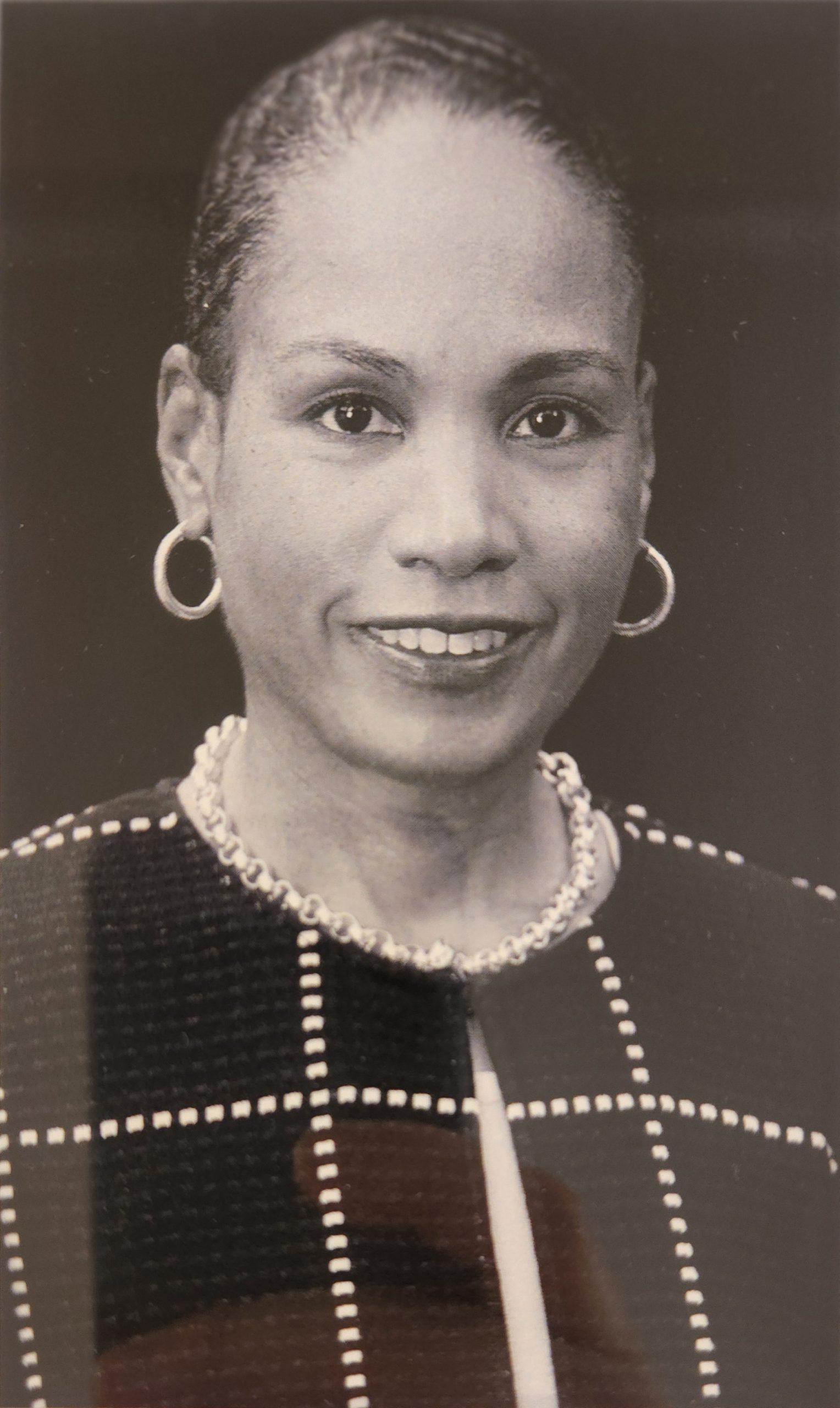
Dr. L. Ebony Boulware
Women’s Medical Alumnae Association
May 1, 2024
L. Ebony Boulware (b. 1969) graduated from Vassar olleg (1991) where she majored in English and was an outstanding athlete. Inspired by her parents (both physicians), she grew up with a realization that physicians had a special place in the community, imbuing in her the importance of pursuing health equity through a social justice lens. She subsequently attended Duke University School of Medicine (M.D., 1995). Dr. Boulware then completed her residency and Chief residency in Internal Medicine in the University of Maryland Medical System. Joining the Johns Hopkins Department of Medicine as a research fellow in the Division of Internal Medicine, she then completed an MPH concentrating in epidemiology and her fellowship in 2002, subsequently joining the faculty in the Departments of Medicine and Epidemiology as a Core Member of the Welch Center for Prevention, Epidemiology and Clinical Research. She remained in the Welch Center conducting research on mechanisms to improve access to care and quality of care for individuals with chronic kidney disease and related diseases such as hypertension and diabetes. This was inspired by her journey with a particular patient and seeing the powerful impact a kidney transplant had on his life. Her work focused primarily on understanding patient, health care provider, community, and health system contributors to racial and other kidney health inequities. Through her research she developed numerous interventions to improve kidney health-providing resources for patients and health care providers to improve decision-making and care and leveraging community and health care assets to improve equity in health outcomes. It was early in this work at Hopkins that her foundational mentoring work occurred. She advanced rapidly as a researcher, teacher, clinician, and mentor, becoming a full professor. Dr. Boulware was recruited to Duke in 2013 to become Chief of the Division of General Internal Medicine and became inaugural Director of the Duke Clinical and Translational Science Institute, playing a key role in accelerating science translation. In 2023 she joined Wake Forest as the school' second female and first African American Dean. She is responsible for all aspects of the school's activities and leads the nation's third largest not-for profit health system. Throughout her career she has championed efforts to establish ground-breaking programs to advance health equity research and to diversify the workforce in science and medicine. She has helped people advance their careers in academia, public health, health sy tern leadership and health policy, as a primary mentor for various training grants and seeing the work come to fruition in the form of U0l and ROI awards for many. She is passionately devoted to ensuring inclusivity and diversity in mentoring and training activities. She has received numerous awards for mentoring including the Department of Medicine David M. Levine Mentoring Award and awards from Massachusetts General Hospital, Duke University School of Medicine, and the Society of General Internal Medicine. Many of the faculty she has mentored are underrepresented minorities and women. It is in recognition of this commitment to her role as a mentor and guide for trainees at every level-students, residents, fellows, and faculty that we honor Dr. Boulware today. She embodies the spirit of nurturing these relationships over the years and has seen these individuals enter leadership roles at Hopkins and other institutions. This is the joy of teaching, mentorship and academic medicine.
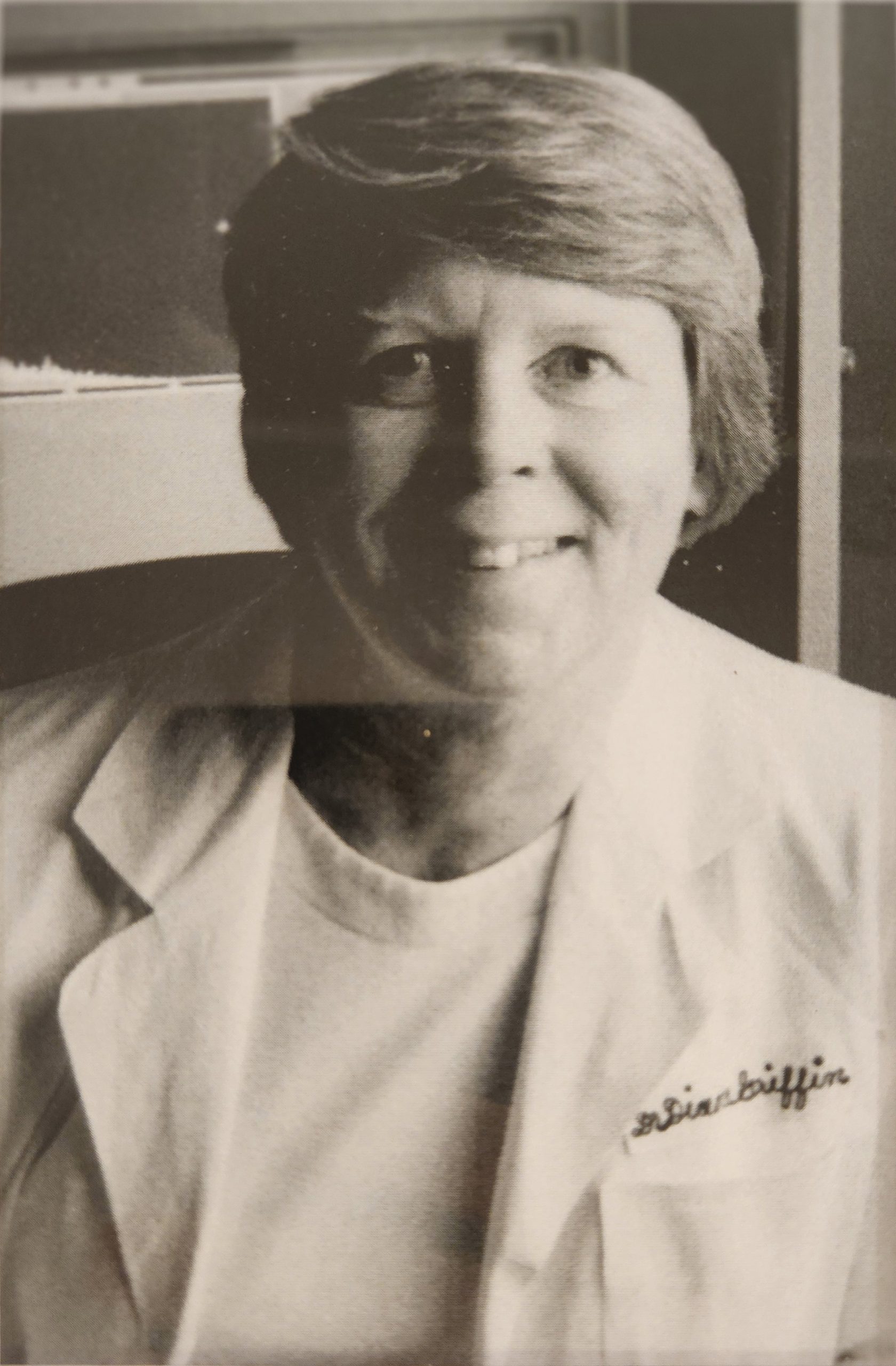
Dr. Diane E. Griffin
Women’s Medical Alumnae Association
May 30,2025
Diane E. Griffin M.D., Ph.D. (1940- 2024) graduated from Augustana College (1962) where she majored in biology and went on to Stanford where she earned her M.D. (1968) and her Ph.D. (1970) in microbiology, completing her residency there in internal medicine at the same time. She came to Hopkins (1970) with her husband Jack (later head of neurology), to do post graduate work with Dick Johnson in virology and joined the faculty in 1973. She became a full professor in 1985 and then Chair of the Department of Immunology and Infectious Disease (1994-2014) in the Johns Hopkins Bloomberg School of Public Health, renaming it the Department of Molecular Microbiology and Immunology, clarifying the nature of their work. She ultimately became Chair Emeritus of the W. Harry Feinstone Department of Molecular Microbiology and Immunology. She was also able to establish the Johns Hopkins Malaria Research Institute and became its founding director. She launched her career as a consummate physician-scientist, virologist, and leader at a time when there were limited opportunities for women to succeed in such complex endeavors. Through brilliance and determination, she became a trailblazer for those who followed. Diane particularly focused on how viruses manipulated their host cells and reshaped human immune responses and was especially interested in the measles virus and Sindbis virus. Her work on measles, where the virus persists as RNA particles in neurons, has influenced research for decades, including most recently in long COVID. Prior to her death she was investigating a new hypothesis about how memory B cells are depleted during measles infections, explaining why measles is so dangerous, yet so preventable by vaccination that elicits life-long immunity. She was frequently called upon to investigate outbreaks and epidemics around the globe, and was happy to participate, given her love of travel and exploration. Her leadership style, her quiet, secure, and formidably effective personality, her insight into how to achieve by cooperation rather than coercion, and her commitment to our community provided remarkable guidance, organization, and direction at Hopkins for decades. Her colleagues have noted that Diane knew that progress in science requires not only new contributions to knowledge but also demands great care to the fabric of the canvas where the story is drawn, and she devoted her life to making sure the enterprise of science worked and worked well. With a remarkable capacity for administrative work, she was a leader within Hopkins, nationally as president of the American Society for Virology, president of the American Society for Microbiology, vice president of the National Academy of Sciences, and held impactful positions in a variety of international organizations. She was elected to the Institute of Medicine, the National Academy of Sciences and the American Academy of Arts and Sciences and received numerous awards throughout her lifetime. Her impact at Hopkins and throughout the world was meaningful across a broad spectrum. It is in recognition of her leadership and creativity in science and in the programs she created, her gifts as a teacher and mentor, her wisdom as a counsellor to so many, her ability to connect and nurture people, and certainly the example she set as a kind, enthusiastic and energetic woman of our community that we honor Dr. Griffin today.